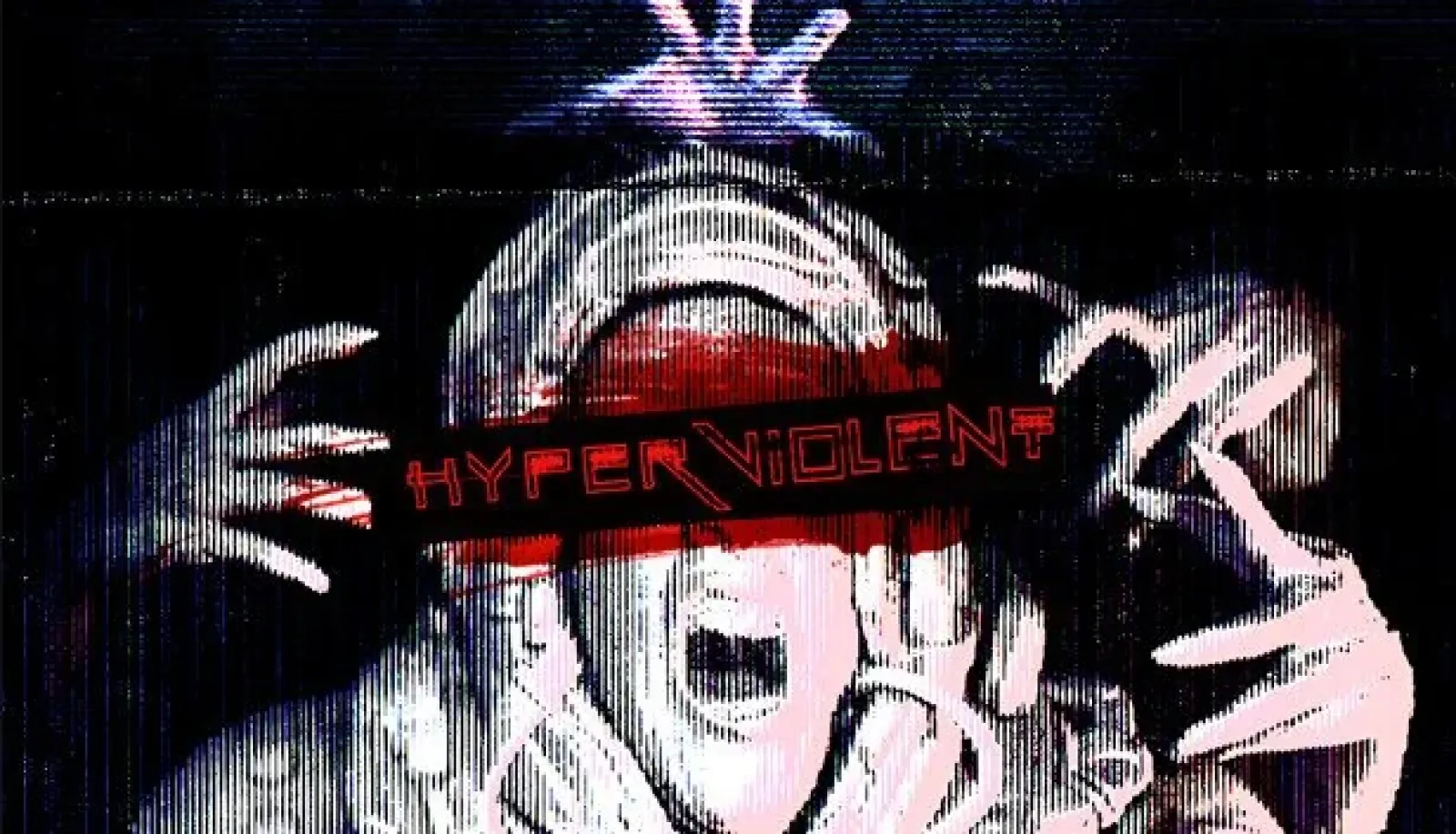
What do PlayStation 1, Nintendo 64, and System Shock have in common? Nothing. However, if you look closely enough, you will spot those distinctive characteristics in Hyperviolent, a new retro game released under the banner of Fulqrum Publishing.
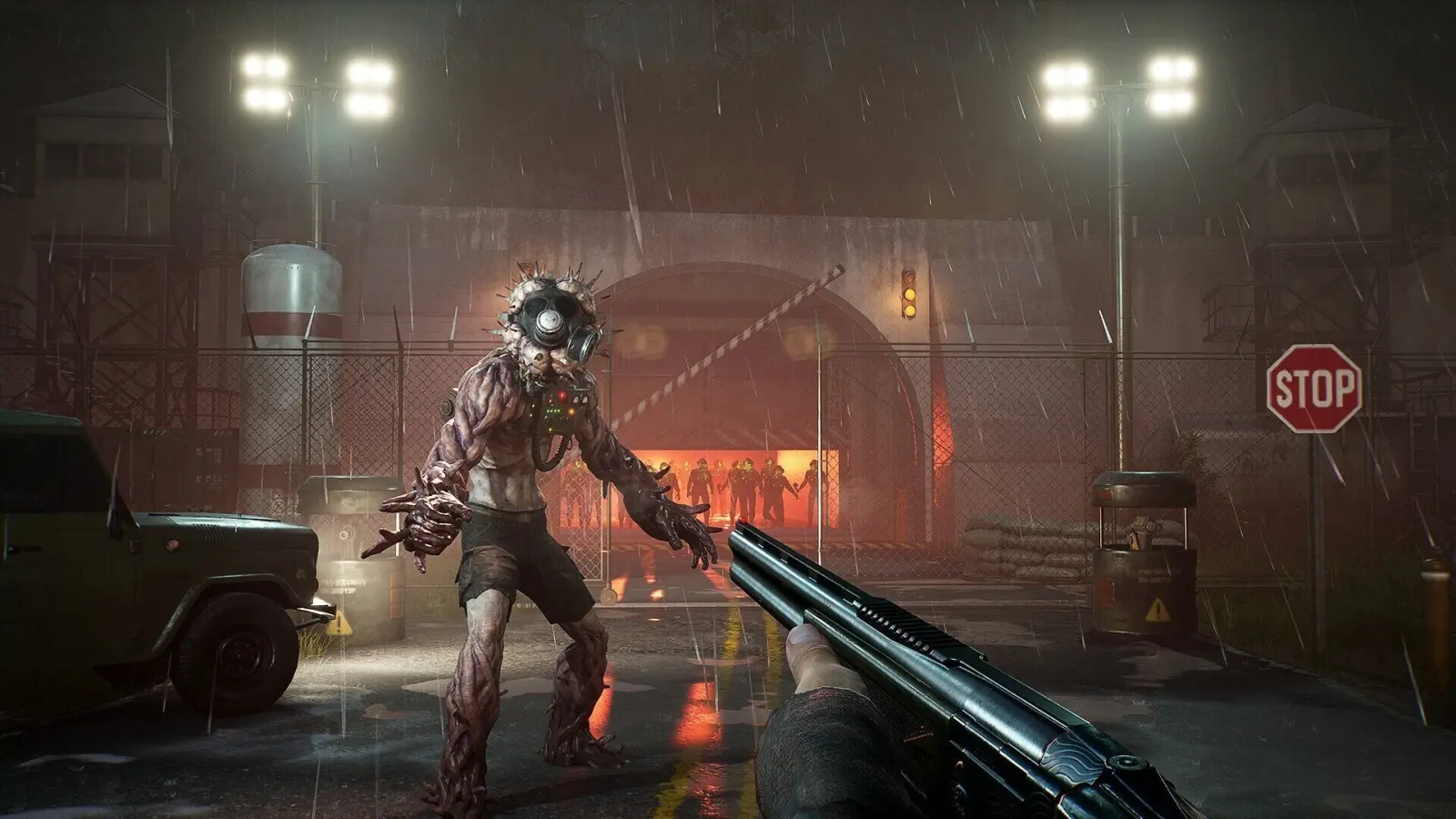
According to the description, the game features a retro aesthetic that combines low-poly 3D and 2D sprites, ambient lighting reminiscent of N64 games, and stretched pixelated textures akin to PS1 games, presenting a visual style that will certainly find fans among retro game enthusiasts.
However, if you expect a shooter - full stop! System Shock is the word. It is, for example, a spiritual sequel or rather an honorary game. This means the emphasis is on atmosphere, the pace is slow, and ammunition is scarce. To avoid any confusion, this game is incomparably simpler than a System Shock or other shooters, which is not surprising for a smaller indie game. It can be sped up by the player's skill, especially if certain parts are revisited multiple times, which brings it closer to boomer shooters, but the contrast is clear - this is not a pure boomer shooter.
The story is quite simple. The player is sent to a mining asteroid to investigate an incident, but upon arriving at the station, they are faced with a nightmare in the form of an outbreak. A zombie outbreak? To some extent... Besides the zombie staff, there are also infected, crazed thugs, and other beasts. It is up to the player to uncover what is really going on through the story. Additionally, the story can be completely bypassed, and reading logs and uncovering circumstances is quite optional.
What we often lack in modern shooters are unusual and more imaginative weapons, and here Hyperviolent delivers the most. The most striking element of gameplay is Dual Wielding. The player can choose what to use in each hand. To start, a metal rod and flashlight combo is available for the early dark sections, then an axe and shield, then an electric baton and pistol for effective combat with little ammunition, and so on. Two rods can also be used for more effective close combat. Two flashlights can be used as well, but why? Overall, a welcome option. Some other weapons like the Shotgun or Rocket Launcher will, however, take (as expected) both hands. However, there are also other aspects that will be a hit for some and a miss for others.
Movement is abstractly fluid, reminiscent of the old game Descent (controlling a spaceship), which seems strange considering the player moves on foot. Artistic freedom, we could say.
This also includes jumping, which is unusually high with a sudden bounce. As if we were Superman and not an ordinary agent.
Then there is the System Shock interaction method, which means you can forget about modern "quality of life" improvements. There is no automatic item collection or indicators showing where something is located. You simply have to go to the object, click, then click again or even double-click, which ironically turns out to be the faster option. Although the inventory looks standard, the management is quite clumsy. It is very easy to accidentally throw items out, and there are instances (which could be a bug) where the entire layout randomly resets when sorting.
The game also supports a controller, which is even more comfortable for playing; however, it is still clumsy to manage the inventory, and the occasional indicators from the PC version are replaced with "button prompts." It is safe to say that the controls definitely need improvements to reach a satisfactory level.
The AI, as expected, is not particularly smart. We are used to this in old-school shooters. However, what is problematic is that it can sometimes lag. Enemies will occasionally stop in the middle of a fight, especially when they encounter a wall or obstacle, while on the other hand, they will ignore the damage you inflict despite you shooting directly at them and delivering a fatal blow. In this case, the culprit is Hit Detection, but it is too random, which even the old Doom executed better, for example. This can sometimes result in a total shortage of ammunition and health, making it better for the player to restart or load the last checkpoint. Also, the descriptions and numbers in the game seem random. For example, a character that looks like a general of the Mexican paramilitary has a description that he is a "science officer"... Uhh, yeah, right. The same goes for the numbers in the item descriptions, whose numerical values seem not to match the systems implemented in the game.
Where Hyperviolent further carves its identity is in the soundtrack. The sounds mostly exude a retro style while the soundtrack combines a dark yet rhythmic "moody" melody with cyberpunk elements and metal riffs in the action parts. Along with the mentioned visuals, it is definitely a well-presented work. It's just a shame that the gameplay and level design do not do more to support it to the deserved level.
To complete Hyperviolent takes roughly 4 hours (although there are already edited -2h runs on YouTube). But this is the Early Access version, not the complete game. More content is yet to come. Also, besides content, let's hope for balance improvements and polishing of features, which this game desperately needs.
Hyperviolent is advertised as a "brutal old-school retro shooter," which, as I said, it definitely is not. This is a survival horror retro RPG shooter inspired by System Shock. However, comparing it to System Shock would be unfair. What Hyperviolent offers is a specific retro experience in a smaller package. If you have played all the 'Shocks' and their remakes, then Hyperviolent could be a good excursion into familiar yet slightly different waters.
A copy of the game for review purposes was provided by the publisher Fulqrum Publishing