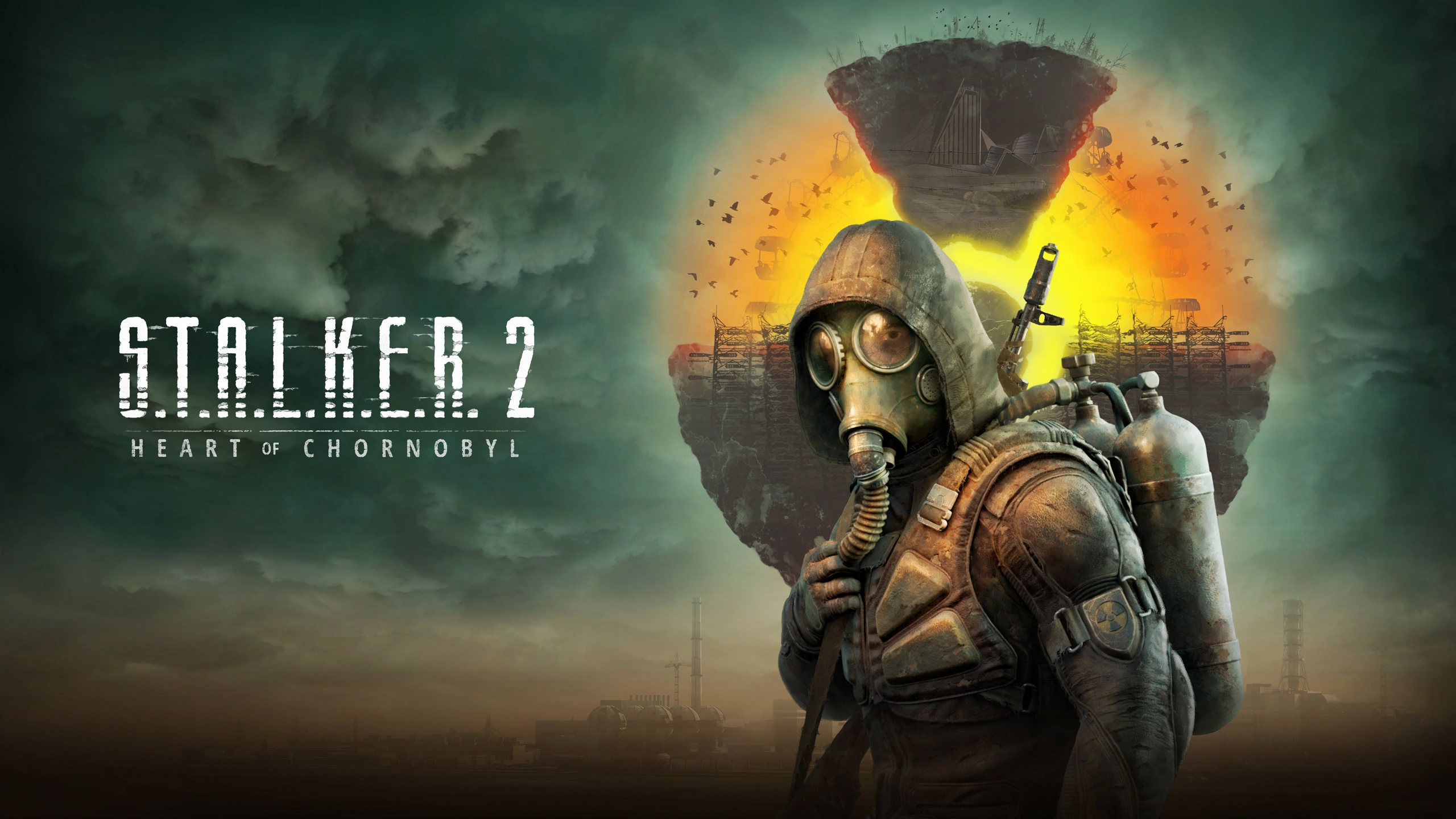
Ako ste mislor da su svi postapokaliptični FPS-ovi jednaki starim modelthere is kaveza za cats, pripremite se za STALKER 2: Heart of Chornobyl – igru who vas tjera da preispitate sve what znate o preživljavanju... i o svojoj strpljivosti.
I remember as a kid when I started only sometime in 2001. Reading the news about the first Stalker and how it would change gaming. No one expected that I would meet that moment only in 2007, when I downloaded Stalker for the first time completely legally and by no means from dubious sites.
Fuck check, I didn't even have ADSL at home then, but I brought it home on a completely legal DVD copy from my friend who sold them completely legally!
The only thing I didn't play was Clear Sky, which I still don't understand why, though
Death by mutants, anomalies and bugs
STALKER 2 is not a game for the faint of heart. Imagine that you are in a dangerous area full of anomalies, mutated animals and fanatical factions that see you as the last slice of pizza on the mother earth.
You have to make tough decisions, like whether to hide your one great ammo pack or use it to get rid of those pesky anomalies that keep bothering you in the game. In a world where one wrong decision or chance encounter with an anomaly can kill you every few minutes, STALKER 2 not only puts you to the test, but also forces you to become a true survivor.
If you thought that bugs were just a legendary thing in old games, STALKER 2 will show you that they have only evolved.
NPCs go through walls like a knife through a path, while UI elements decide to spontaneously dance on the screen, and on XBOX they loved to disappear.
Yes, I love having a HUD, kill me.
But hey, at least you get a chance to witness the enemy perform stunts you'd only expect to see at the Olympics – or maybe have him perform them Raygun. Although bugs are a common occurrence, they add a dose of unexpected humor in the game's seriously themed world, turning every glitch into a potential funny anecdote for later.
Graphical experience
The graphics are so impressive that you'll often forget that the game is dropping you back to 30fps.
I'm kidding, the team really screwed us over the trailer, but oh well, we're used to it.

Let's face it, the game looks great, sometimes perfect, but it's not what we expected. Maybe it's better on PC, but as far as I've seen, it's not lucky.
Radioactive storms that paint the sky in shades of hellish red and toxic green provide a visual spectacle, even when your console decides to drink coffee with frame drops.
Every drop of rain, every flash of lightning in a radioactive storm adds to the sense of real danger and mystery, creating an atmosphere that is both beautiful and terrifying.
A story that teaches you how to afford real estate
The main story is classic fantastic.
Skiff – our character – is set up and betrayed in the opening mission, which leads him on a mysterious quest for a man who knows where the other man is, which turns into a never-ending chain of finding more people in the hope of finally finding the one you're looking for.
In fact, the plot twist of the game is literally how to buy an apartment in 2025. Apparently, the only way is to risk your life, kill a few hundred people and smuggle illegal artifacts.
However, when the story begins to involve the scientific organization SIRCAA and a new version of the paramilitary known as The Ward, STALKER 2 begins to show what is really at stake.
The story masterfully interweaves familiar themes seen in previous games, such as the dangers of pursuing the truth about mind-warping psychic emissions, the deadly risks of research in the Zone, and the futility of conflict between cult groups and government organizations vying for control.
While it's not necessary to be familiar with the originals to understand this new story, it was fascinating to see all the ways in which the old STALKERs were connected and referenced, giving fans of the series added depth and satisfaction.
Each step deeper into the Zone, you uncover more secrets and connections between different factions, creating a complex web of intrigue and conflict. While the story may seem like an endless series of quests, its depth and complexity provide a sense of immersion in a world that is rich in detail and historical references.
Mechanics
STALKER 2 relies heavily on the survival mechanics that have become standard in modern hardcore survival games.
Gear wear that can cause malfunctions, a high level of combat damage where just a few wrong shots can kill you, bleeding that forces you to heal if you survive, hunger that constantly forces you to forage for food, radioactive levels that you have to keep under control, limited inventory weight that you have to carefully manage, and constant looting to survive - these are all elements that make the game challenging, but also extremely satisfying when you manage to overcome all the obstacles.
One of my favorite aspects of this game is learning how to prepare for missions in advance. Finding the balance between having enough healing items and specific ammo, while still leaving room for the loot you might find without overwhelming yourself, provides a sense of strategic planning rarely seen in modern FPSs.
Technical challenges
When you face STALKER 2: Heart of Chornobyl, expectations fly high, especially considering the power of modern hardware like RTX 4090 and DLSS Performance technology. However, the reality of the game quickly reveals that performance leaves a lot of room for improvement.
Despite snažnoj grafičkoj mapici, igra se često zaglavi, a frame ware polako tonut pod teretom detaljnih okruženja i kompleksnih scena. Teksture se pojavljuju nepravilno, često se "pop-in" pojavljuju iz daljine or se savijaju na načine koji potpuno narušavaju imerziju.
Lighting effects are regularly broken; many parts of the map that should be well lit remain dim, as if there is no light source at all. Reflections on surfaces are often glitched, creating an uneasy feeling of unreality in the game world.
The light sources often don't work properly, and many parts that should clearly have been properly lit appear completely black, as if the light simply doesn't exist. NPCs and objects often glitch and float in the air, which further undermines the believability of the game.
UI elements flicker and disappear for no apparent reason, hindering the player's ability to focus on the game. During cutscenes, NPCs regularly find themselves on top of each other, creating funny but irritating scenes that distract from the story.
Weapon sound often disappears or simply doesn't work, which is especially frustrating during combat when sound is crucial for complete immersion. Positional audio is completely imprecise, so enemy or environmental sounds are often heard in the wrong places, which can lead to confusion and reduce survival tactics.
The AI of the enemies is extremely bad, they often behave unpredictably and inefficiently, which reduces the challenge and intensity of the battles. When you complete a certain objective, often that progress doesn't update in the UI, leaving you unsure if you've actually completed the mission or not.
The cover mechanics are completely non-functional; enemies can see you through walls, which destroys the basic principle of strategic stealth and increases frustration rather than adding an extra layer of challenge.
These technical issues significantly affect the overall experience of the game, turning what should be an immersive and intense survival experience into a series of frustrations. Although STALKER 2 offers a rich and detailed world full of mystery and danger, the technical flaws are hard to ignore. Graphical interruptions, poor optimization, glitchy game elements and imprecise sound create an environment that is often more a source of laughter and frustration than actual enjoyment.
While GSC Game World clearly has the ambition to create an impressive sequel to the series, the current state of the game shows that they still have a lot of work ahead of them in order to realize their vision without technical flaws hindering the gaming experience.
Atmosphere – Without a doubt, pure art
Despite its technical problems, STALKER 2 retains an incredible ability to create an atmosphere that completely immerses you in the mysterious and brutal world of the Zone.
Dynamic weather, nights so dark you could be stuck in them without lights, and radioactive storms that paint the sky hellish reds or toxic greens are as visually stunning as they are petrifying.
From panoramic views of the vast desert to long, on-foot guided tours between missions to the dark corridors of abandoned facilities, the designers at GSC Game World create a distinct sense of place with great attention to detail.
Even little things like the sound of rain on the hull of a dilapidated ship or the sound of a guitar while sitting around a campfire can easily draw you into the life of a Stalker. All of this should be familiar to anyone who played the original STALKER games (2007's Shadow of Chornobyl, 2009's Clear Sky, and 2010's Call of Pripyat), and as a veteran of those games, it's a strange feeling to be back in the Zone and see how much it's changed over the years.
This nostalgia is perfectly balanced with new elements that add freshness and depth to the game world, creating a perfect balance between old and new.
STALKER 2 is a game that goes on – and it can be exhausting at times as you're constantly fighting for your life.
It took me 45 hours to complete the main story, along with a lot of side missions and free exploration. Side quests may yield needed cash or rare loot, or may yield no tangible result.
However, sometimes there is intrinsic value in seeing where they take you or learning more about the world and the people who inhabit it. Much like the majority of time in Red Dead Redemption 2 was spent riding a horse while absorbing its world, long walks through Zones in STALKER 2 evoke a similar feeling due to the game's long duration.
Within the main story there are critical choices that affect the path you take, mostly moments where I decided to share or withhold important information at certain turning points, or simply choose a side when my back was against the wall.
Although they mostly lead to the same destination, the way the story context and mission objectives change makes those choices feel meaningful, especially since they occur so naturally.
But that's mostly because Stalker doesn't offer cheap fast travel.
If you want to quickly move from one place to another, you have to find the right NPC and pay. If you go on foot, be prepared for a long trek full of enemy bandits, anomalies, and mutants that can stop you in your tracks (I won't lie: save scumming will prevent some of those potential frustrations).
An instant classic without fail
When STALKER 2 works flawlessly, it's a rare pleasure that satisfies the craving left by older PC titles, where the onus was on you to figure out how to survive and thrive in an unforgiving place that didn't care if you lived or died.
Refreshingly brutal and masterful in creating a bleak atmosphere that I enjoyed, bringing new life to a place as tragic and desolate as the Zone. Once the main mission gained momentum, the choices I made and the effort required to reach the end kept me invested in a suspenseful story that builds on the ambitions of its predecessors.
However, there are fundamental issues that are hard to ignore, such as the bizarre behavior of enemies in combat and the numerous bugs and performance issues that persist after launch. But for those with the patience and determination required for a massive, chaotic RPG shooter, this is a minor thing.
STALKER 2: Heart of Chornobyl delivers a unique, challenging and immersive experience that is both enthralling and frustrating at the same time. Despite the technical imperfections and bugs, the game manages to retain the spirit and ambition of its predecessors, providing a world that is rich in detail, atmosphere and complexity.
For those willing to take on the challenges and enjoy the dark, mysterious world of the Zone, STALKER 2 is an unmissable experience that will keep you engrossed for hours – or days – exploring its secrets and facing the dangers that lie around every corner.