The Rogue Prince of Persia - fast, cruel and damn addictive
This is not the prince we remember from the old days, nor the one from last year's excellent The Lost Crown. This is another version of Persia. Faster, rawer and noticeably more ruthless.
Ubisoft handed over the keys to the series to the Evil Empire studio, a team that most people know for Dead Cells, and you can feel it almost immediately. The game isn't trying to be classic Prince of Persia with a bit of modern flair. This is a full-blooded roguelite that takes the series' identity more as a foundation for movement, pacing, and style, and honestly, that mostly works to its advantage.
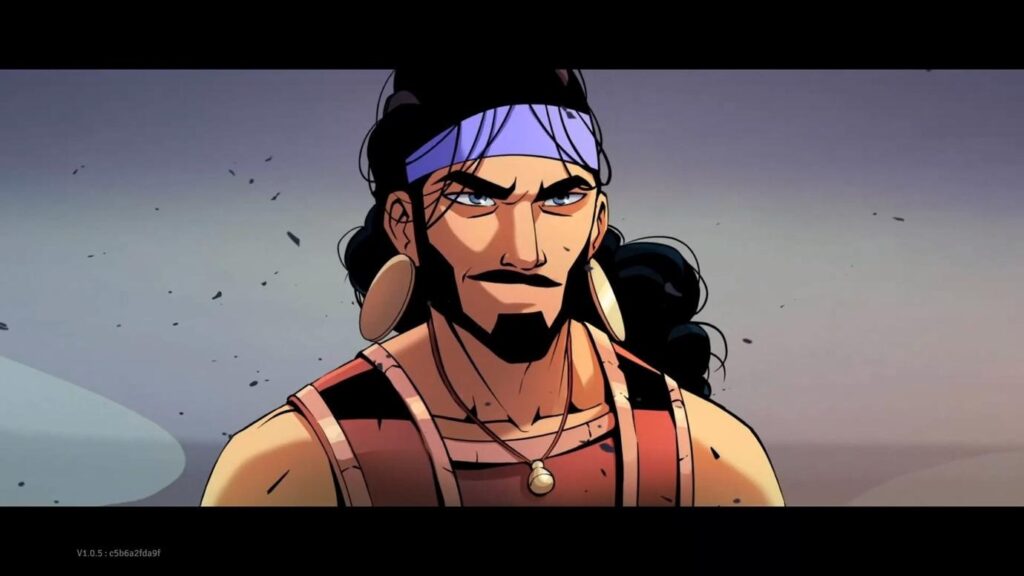
A prince who moves just the way he should
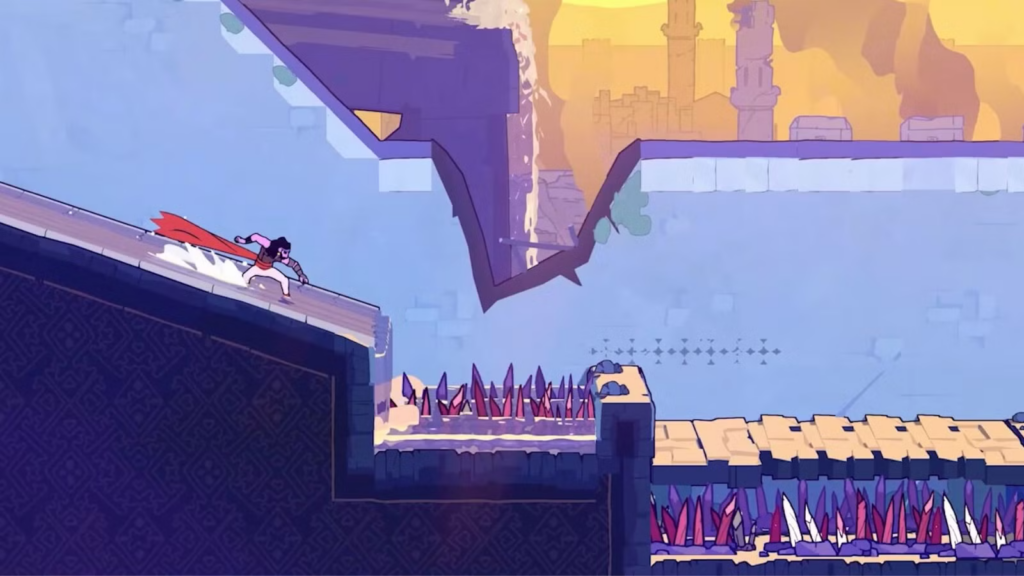
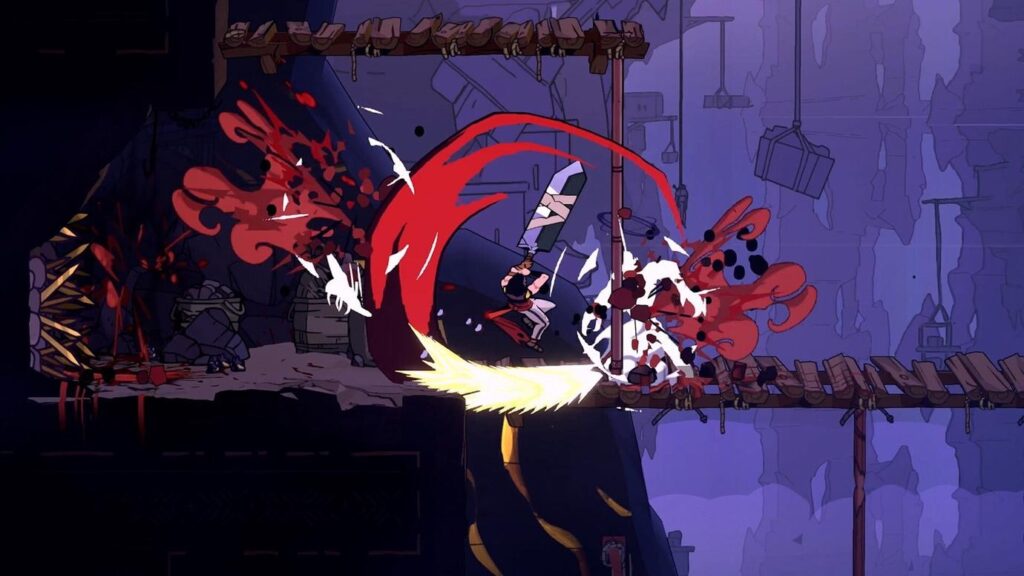
The greatest strength of the game is movement. Not the combat, not the builds, but the very feeling of controlling the character. The prince runs on the walls, skates, jumps, changes direction in flight and all this seems natural, fast and precise. Once you get into the groove, the game looks almost elegant, although in reality most of the time it throws you from one mistake to another.
Wall-run here is not just a trick to remind the series of its past. That's the key to everything. With it, you avoid attacks, skip unpleasant situations, open space for a counter and save your own head when you realize that you were too greedy again. In its best moments, The Rogue Prince of Persia has that feeling that makes you not say "I've had enough" after death, but "come on one more time, now I know where I screwed up". And that's perhaps the biggest compliment I can give a roguelite game.
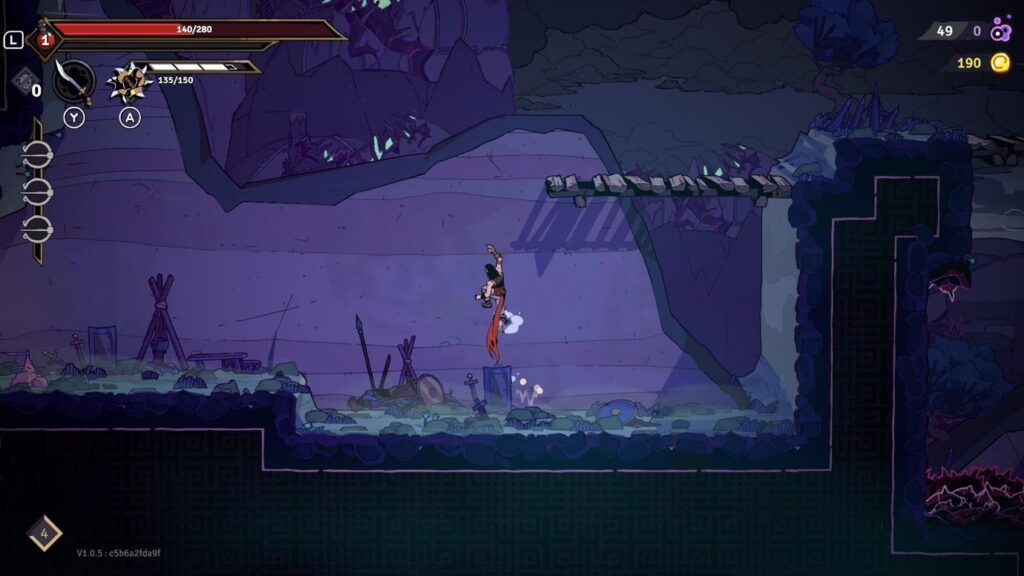
At the same time, the fight is not only about quickly waving the main weapon. Prince combines primary and secondary weapons, and an important part of the entire arsenal is the kick, which you use to open up space, interrupt the opponent's rhythm and push them into traps or into a worse position. This is precisely why the fight seems much more lively than it might seem at first glance. It does not come down to one and the same hitting, but to constantly combining movements, attacks and positioning.
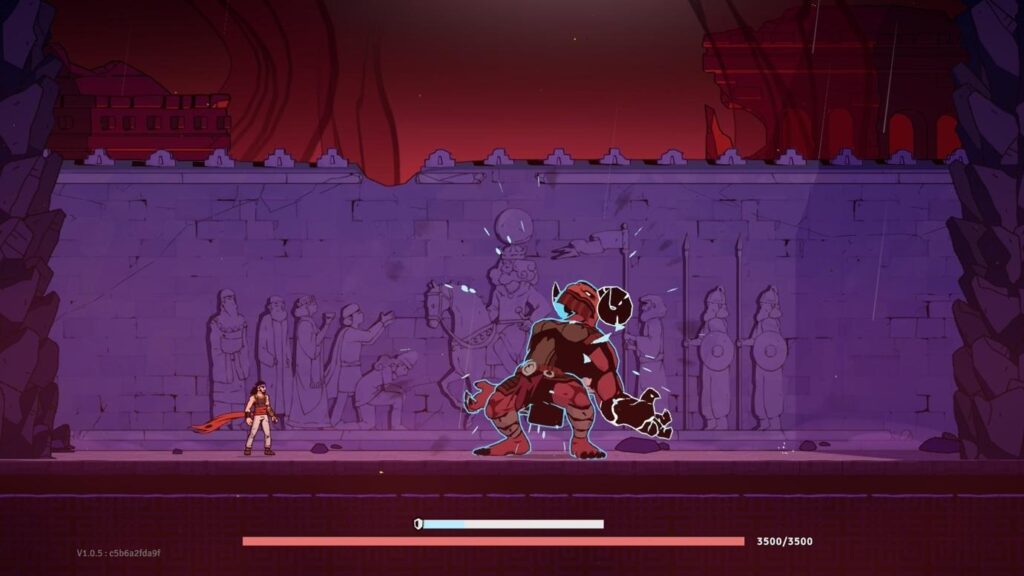
Roguelite level structure
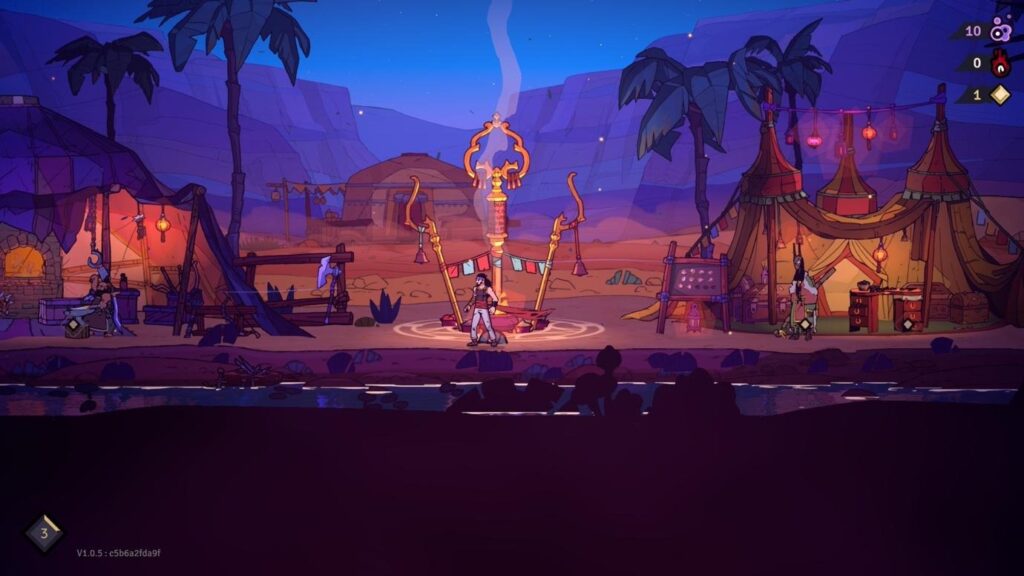
The formula is known. You die, you go back to the starting camp, you unlock new possibilities, you get stronger little by little and you start all over again. There's no revolution here, but the game understands well enough why that loop works to get you into "just one more run" without much trouble.
I especially liked the system of medallions and different upgrades during the runes. The game constantly offers you small tactical decisions that start to make a real difference over time. Are you going to play more aggressively, rely more on status effects, build more mobility, or try to squeeze a little more survivability out of the chaos?
There's room for experimentation, and best of all, most of these decisions feel meaningful within the game itself, not just as a number on the screen. Boss fights, as expected, take the whole thing to a higher level of frustration. They are not dishonest, but they require concentration. If you start playing by heart, you will be back to the beginning very quickly. Every death here mostly feels like the result of your own fault rather than cheap design, and that's exactly why defeats rarely feel completely disheartening.
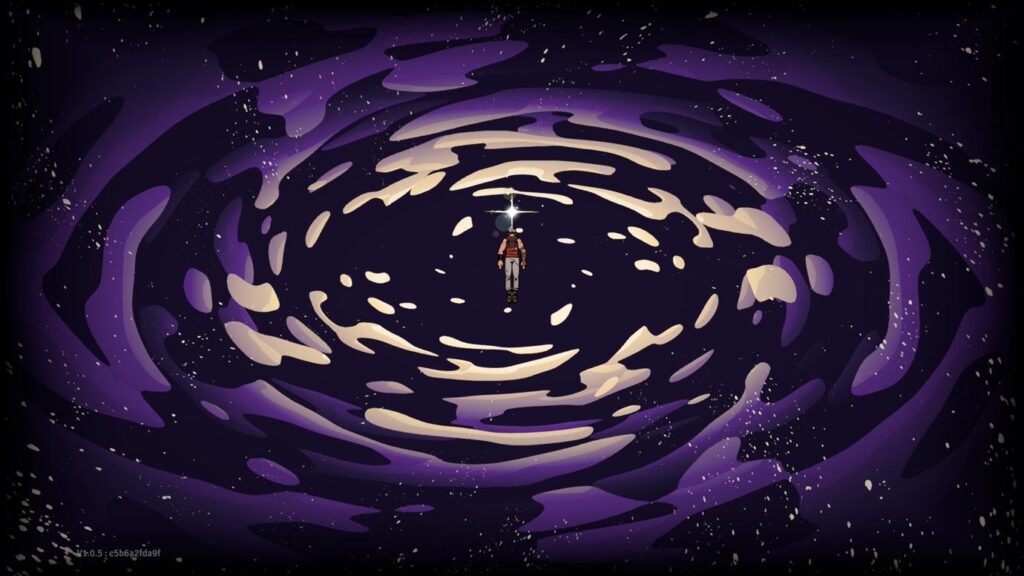
Dialogues and narrative frame do their job, but they are not what will keep you up until the wee hours. The Huns have attacked, they are using forbidden magic, they need to be defeated and... that's generally it. You're here for the runes, for the sense of progress, and for that moment when you realize that one perfectly executed sequence of moves has brought you salvation. However, there are lovable characters that will bring a smile to your face over time.
A style that will not suit everyone
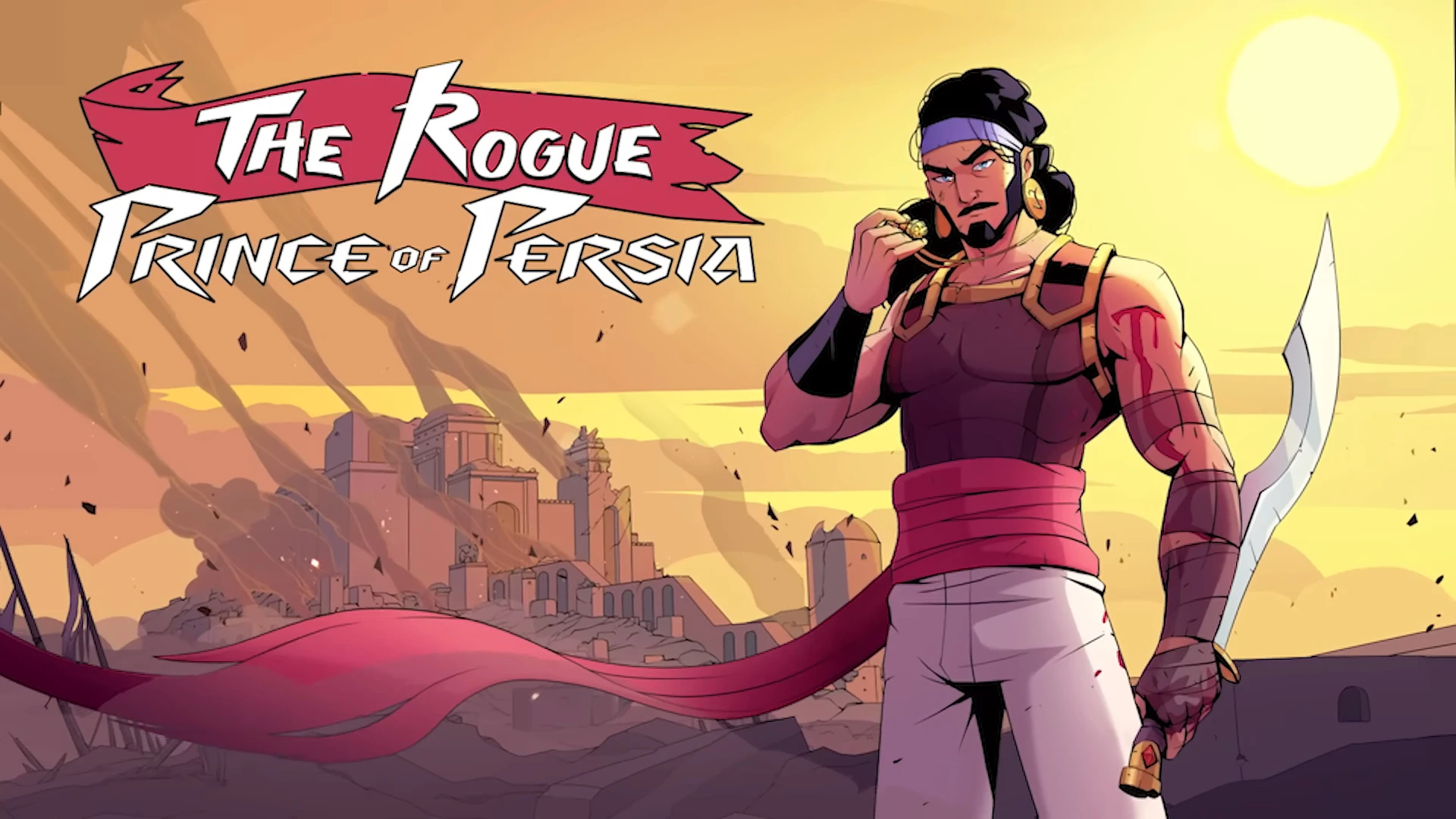
Visually, the game is perhaps the most controversial thing about the whole package. This colorful, comic book, almost playful style will certainly not be to the liking of anyone who still associates a darker, more serious tone with Prince of Persia. If someone still carries the Sands of Time trilogy as the pinnacle of the aesthetics of the series, it is quite possible that this version seems too light or too "indie"
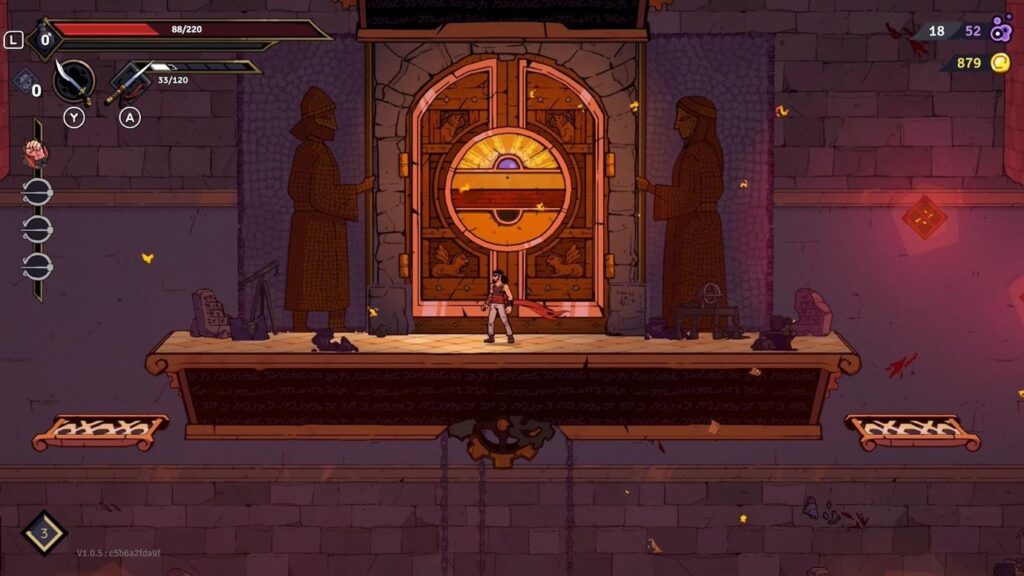
I'll be honest, the initial trailer turned me off too, but when I picked up the game, I was immediately won over by the style. Purple, pink and turquoise tones are not only there to be beautiful on screenshots, but to enhance the impression of speed and constant movement. The game looks different, and in a time when a large number of action titles visually flow into the same mass, this is no small thing. The soundtrack is not negligible either. The mixing of Persian motifs with more modern, energetic rhythms gives the whole thing extra tension and supports what's happening on screen very nicely, carrying the whole run.
How does it look on Switch 2?
This type of game gave the soul to handheld gaming. That's exactly why I'm glad that this version works smoothly and responsively. When the screen becomes cluttered with enemies, effects and platformer traps, the game still remains legible and stable enough that you don't look for excuses in the hardware.
Of course, not everything is perfect. The long loading times between levels can throw you out of rhythm, which completely kills the fast-paced rhythm the game is trying so bloody hard to build, and the procedurally generated layout of the rooms sometimes creates sections that slow the pace more than build it. In the roguelite genre, where speed is everything, these kind of setbacks feel like a cold shower in the middle of a sprint. With the fact that this is not only a problem on the Switch, but also on other consoles.
It's also worth mentioning that the game is getting a physical release on the card soon, which is good news for everyone who still likes to have games on the Switch 2 on the shelf, and not just buried somewhere in the digital library.
Breathless Update
Good news for all those who have already sat down with the basic game, but wanted a little more pace and sharpness: Evil Empire has announced the public beta of the so-called "Breathless" update for the end of March, the goal of which is to make the whole experience faster and more intense.
The biggest change concerns the first hour of the game. The developers say they've reworked the pacing of the intro, including how and when you unlock new mechanics and content, as well as the difficulty of boss fights. In addition, the first biomes receive refinements in the level design to emphasize the wall-run more and make the early sections faster and more dangerous.
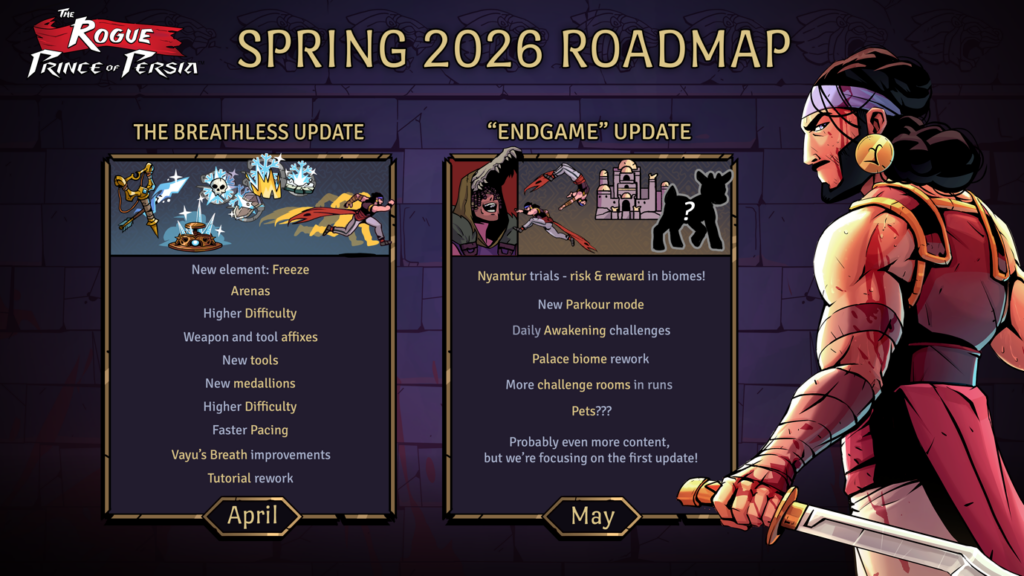
The update also brings several specific novelties for veterans. A new element of freezing is coming, along with a new weapon, the slingshot, and there are also arenas, or locked zones that you only get out of after clearing waves of enemies. On top of all that, weapon affixes are introduced, special modifiers that should make each found weapon more interesting and make you think a little more when stacking runes.
Conclusion
The Rogue Prince of Persia is not an attempt to return the series to the old, but to push it into something new. And luckily, that new one mostly works. Evil Empire has taken what makes Prince of Persia special and combined it with a roguelite structure that's rewarding enough to keep you coming back for more.
This is not a game that will suit every fan of the series, especially those looking for a more classic adventure or a more serious tone. But if you like a challenge, if you like the idea of repetition where you actually learn, with nice graphics and an original soundtrack, there's a lot to love here. Once you get the rhythm right, the most dangerous thing happens easily: another run. Well, one more. And then a look at the clock and a slight reconsideration of life decisions.
Rating: 4/5
A copy of the Switch 2 version of the game was provided by distributor U&I Entertainment for review purposes