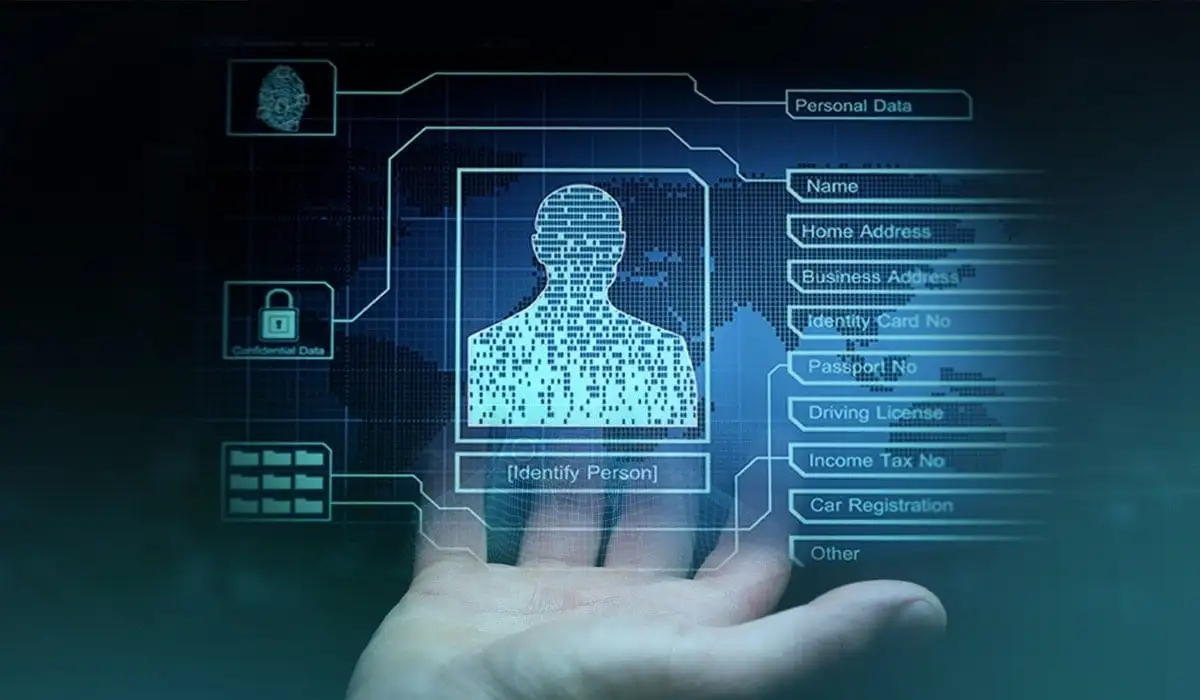
The digital identity of the player
A player's digital passport represents a unique digital identity that tracks the reputation, behavior and security settings of users across various online platforms around the world. This concept allows players to carry their reputation and security settings with them when moving between games and platforms, thus reducing the problem of anonymity that encourages toxic behavior, fraud and abuse. Technologies like blockchain and Decentralized Identities (DIDs) enable safe, transparent and decentralized data storage, while respecting player privacy through pseudonymization and advanced cryptographic methods like Zero-Knowledge Proofs. Immutable Passport is an example of the realization of such a system that is already used by over 200,000 players, facilitating smooth transition between games and protection of digital assets.
Regulatory framework
Globally, the player's digital passport must comply with various privacy and security legislation, such as the European GDPR, the US CCPA or other national regulations. The regulation requires a balance between personal data protection and player security, with clearly defined mechanisms for accessing, correcting and deleting data. Governments are increasingly enacting responsible gaming and safety legislation, such as the UK Online Safety Act, which puts the onus of protection on developers and platforms, encouraging the implementation of digital tools to protect players. At the same time, there is a fear of excessive surveillance and abuse of the system, which requires transparency and independent monitoring of the player's reputation system.
The future of gaming
The future of gaming is increasingly moving in the direction of cross-platform interoperability, AI-powered toxic behavior detection systems, and decentralized identity solutions. The player's digital passport will become a key element of that ecosystem, enabling a trust economy where reputation and identity are transferred securely with minimal privacy compromises. Emerging technologies, such as blockchain for tamper-proof reputation, AI for real-time moderation (eg Ubisoft's ToxBuster), and decentralized identity systems encourage positive development. However, challenges remain in preventing abuses, ethical application of algorithms and maintaining a balance between security and freedom of expression. Globally, the gaming industry is showing readiness for these innovations, as security and reliability of the user experience have become key values in a competitive market.
The player's digital passport is not only a security tool but also a platform for building trust in the digital world of gaming, where millions of players create their experiences and identities every day. Properly implemented, it will enable safer, fairer and better gaming for everyone.