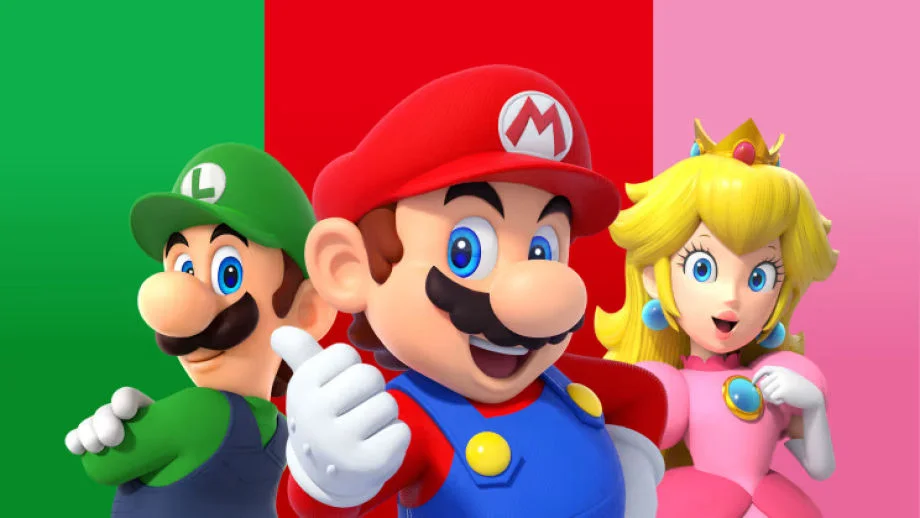
I don't think there is a person in the modern world who doesn't know who Super Mario is, a mustachioed plumber with a red cap and one mission: to save the princess, at any cost. Mario is not just a Nintendo mascot. He is an archetype. The starting point and universal face of video games, which shaped not only the platformer genre but also the gaming culture itself.
35 years after its debut, it still hasn't lost its relevance. It still appears on the latest consoles, it still starts million-dollar franchises, it is still a recognizable face to everyone, even those who have never held a controller in their hand.
Humble Beginnings: Donkey Kong and Jumpman (1981)
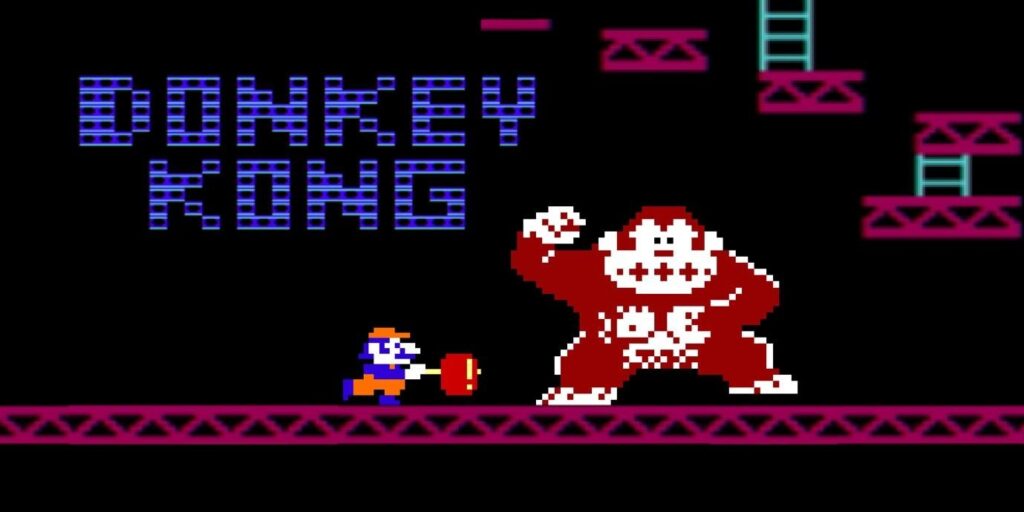
Mario actually made his debut as "Jumpman" in the arcade game Donkey Kong in 1981. Then he was neither a plumber nor a hero, but just a little man who jumps over barrels to save a girl. Nintendo was a relatively small company in Western eyes at that point, but Donkey Kong launched them into the international world, and Mario went with them. It was the birth of a symbol that will soon get its own franchise.
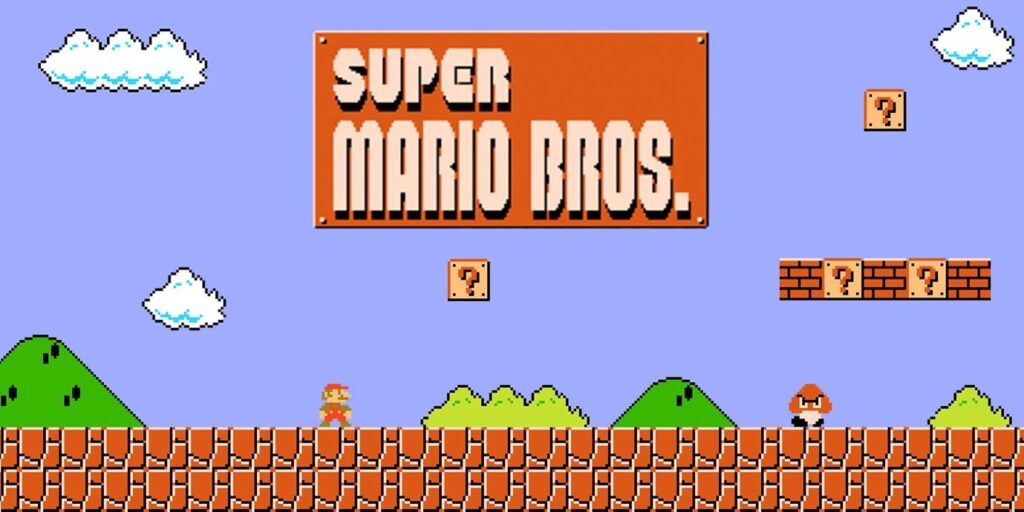
The real step forward happened in 1985 with the release of Super Mario Bros. for the Nintendo Entertainment System (NES). The game that redefined 2D platforming: side-scroll levels, power-up mushrooms and flowers, hidden warp-zones... Everything was new and everything was functional.
The game was impeccably designed, each level taught the player something new, but without tutorials. Just play and you. To this day, Super Mario Bros. remains one of the best-selling games of all time, and is considered by many to be the originator of modern platformers.
If we can conclude anything from this: Mario did not start with spectacular effects. He started simply, with a jump, gusto, and the idea that the game should be fun and accessible. And it is this simplicity and accessibility that later become its superpower.
Super Mario Bros. 3 and Super Mario World: Adulthood (1988 - 1990)
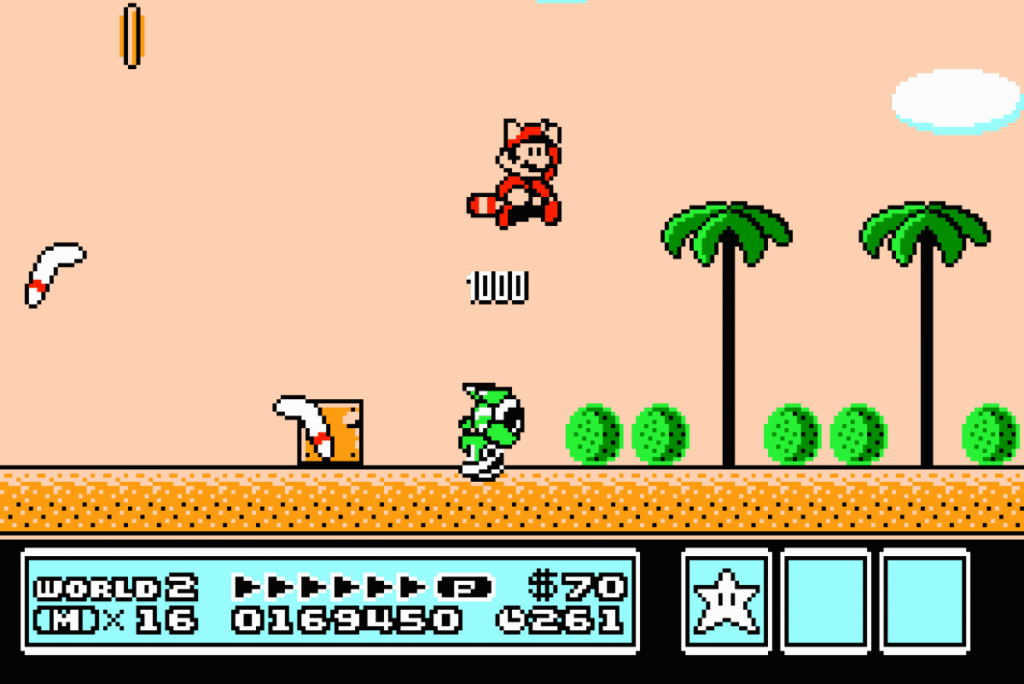
After Super Mario Bros., Nintendo began to iterate, experiment and expand on the idea. Super Mario Bros. 3 brings a huge world map, power-up suits, and more complex level design. He took everything to a new level. Until then, platformers were mostly linear, but Mario 3 took us through the world with its geography, theme, hidden secrets and paths.
People forget that this is still an NES game. Nintendo pushed the hardware to the limit and showed that Mario can be complex, but still fun. To this day, the game is considered one of the best platformers ever.
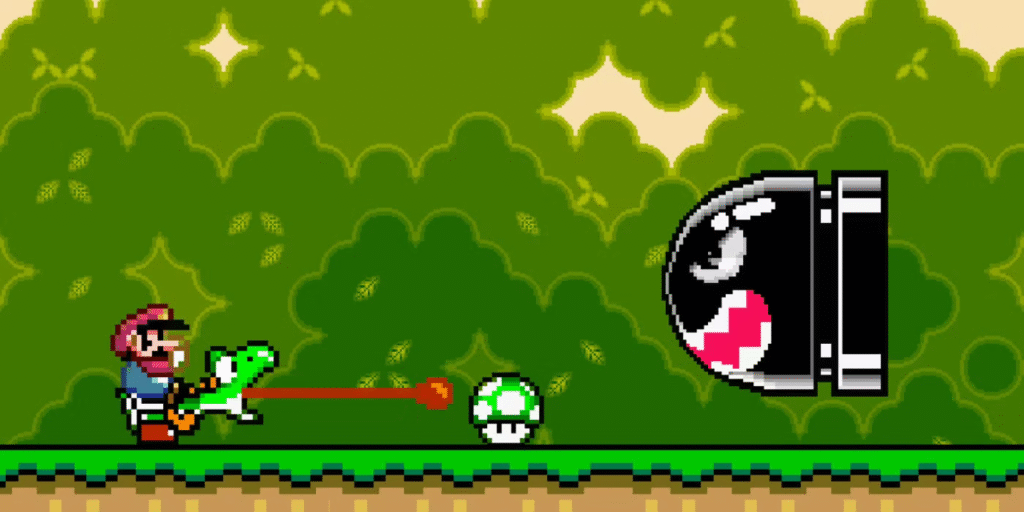
Super Mario World (1990), released for the Super Nintendo Entertainment System (SNES), brings color, music and an unusual friend: Yoshi. The added dimension of platforming, hidden levels and dinosaur riding further cemented the Mario franchise as something not just for kids, but for everyone. World has redefined Mario's movements to perfection, with a beautiful, fairytale and timeless design and a perfect soundtrack.
During this period, Mario becomes not only a character, but a brand. It was becoming recognizable and mainstream to players. Parents slowly found out who he was, and "Super Mario" is easier to remember than "That red mustachioed character who jumps on mushrooms". This is important: he did it in an era when video games were not a "normal thing" in everyday life.
Game Boy era (1989 - 1992)
While the console audience enjoyed the big screen, Mario also appeared on the small: Super Mario Land and Super Mario Land 2 for the Game Boy showed that portable does not mean worse. The games were shorter, but still full of imaginative worlds and surprises. It was Mario to-go. Mario that you could play during school holidays, long drives to the sea in the back seat of the car...
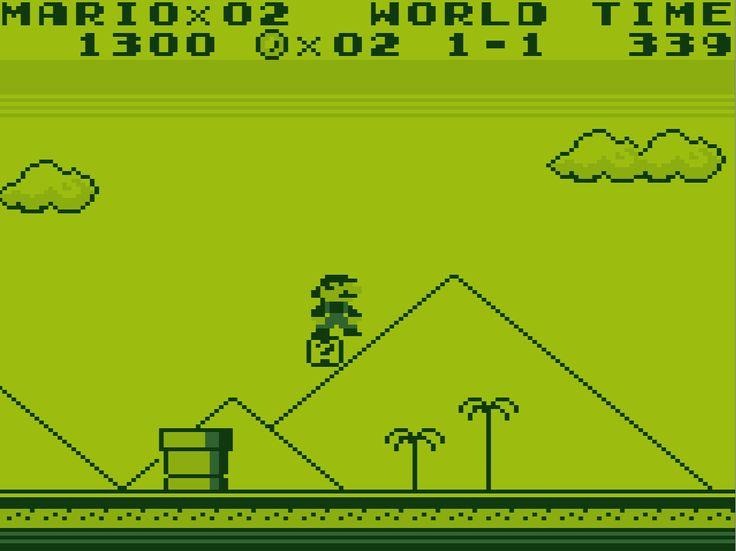
I still remember how excited I was about that console when my friend first showed it to me. For many, it was the first contact with Mario, because the Game Boy was cheaper and more available than home consoles, and it also introduced us to Daisy and Wari for the first time.
Jump into the Third Dimension: Super Mario 64 (1996)
1996. , Super Mario 64 was released: a major revolution for the Mario franchise and a turning point for video games in general. The first large 3D platformer that gives a sense of freedom, exploration, analogue to movement. The game was launched with the Nintendo 64 console and literally redefined how space, camera and controls are thought about in games. The jump to 3D was simply indescribable at the time, you had to be there to understand how big a change it was. Our children's minds exploded with excitement.
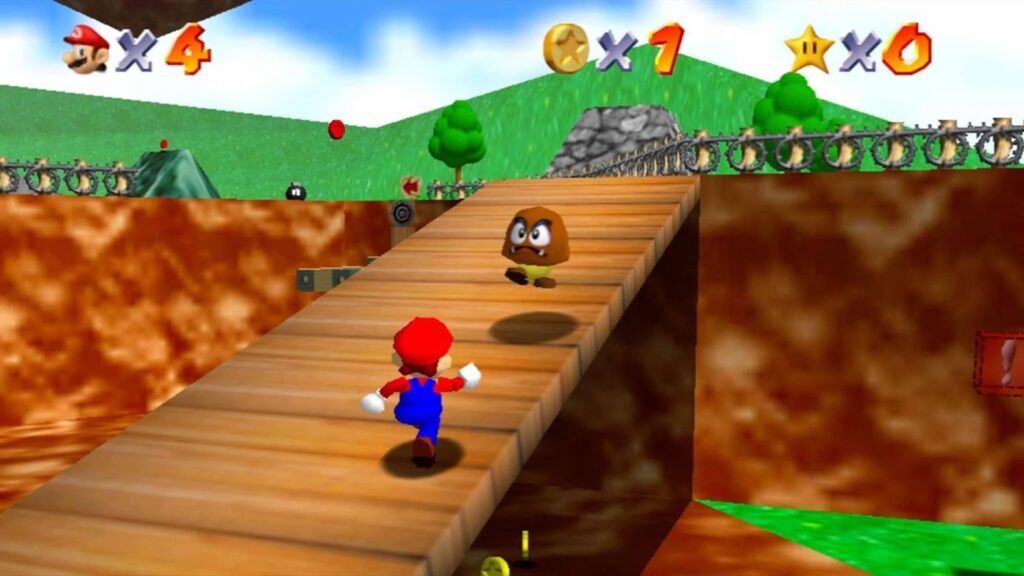
Mario now ran, jumped, skated, flew, explored the big castle and the levels it hid. That Peach castle, with pictures as portals to the levels, freedom of movement, precise controls... Everything was new. And everything worked. 120 stars to collect, through non-linear levels with different tasks that you could choose at will, the game offered a lot. Many modern 3D games owe their basic design to this title.
Experiments and Strange Innovations (2002 - 2010)
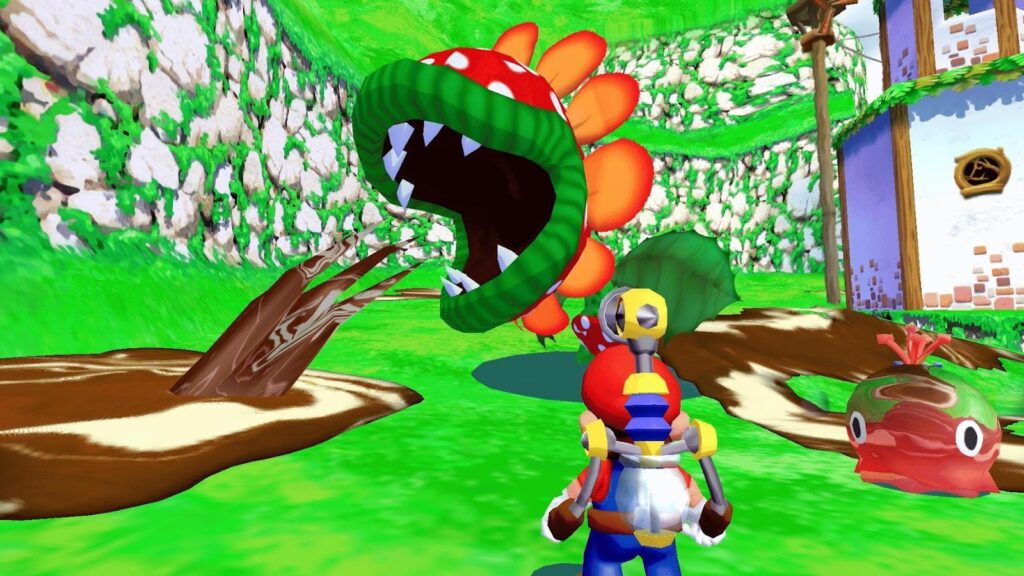
Nintendo has never been afraid to experiment. In Super Mario Sunshine (2002), Mario is given a FLUDD: a water cannon that he uses to wash, fly and fight. This changes the approach to platforming quite a bit as you are constantly correcting mistakes in the air and adjusting your FLUDD rig. The game was different, with some mixed reactions, but it clearly showed that Mario is not trapped in the formula.
Then comes Super Mario Galaxy and Galaxy 2, platformers in zero gravity. Moving around small planets, eccentric space design, orchestral music... Each level was a mini solar system, with its own stars and planets that you were launched to, with Wii motion controls.
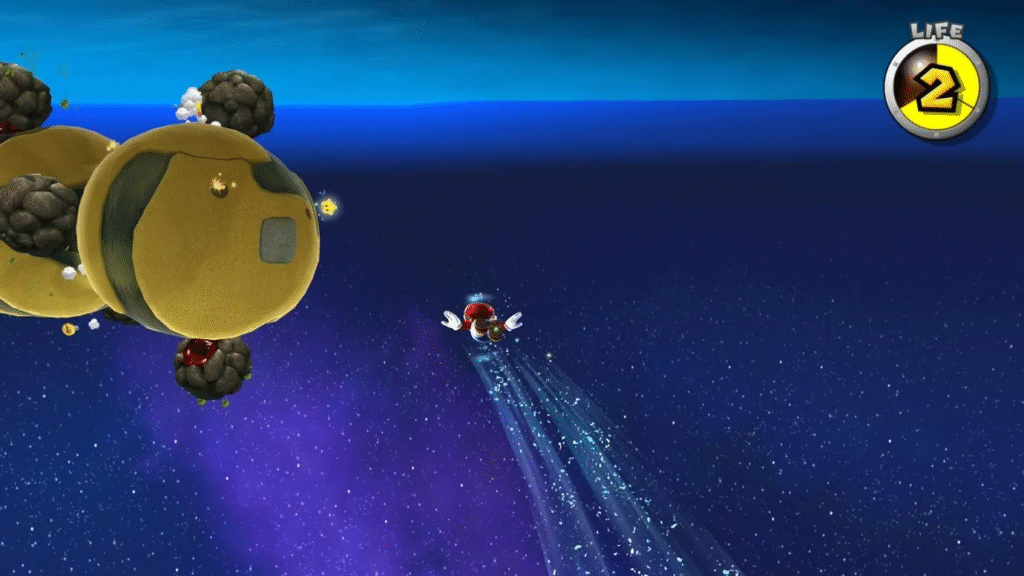
Galaxy is the first Mario that significantly changes the classic story and turns it into a space fairy tale. We meet Rosaline, the mysterious protector of the little Lums and guardian of the universe, who shelters Mario on her flying star station. Through the game, we discover her past, a series of chapters that follow her childhood, traveling through space and creating a family with Lumas. That melancholic, quiet story gives an emotional depth that the Mario universe didn't have until then.
Back to the roots: New Super Mario Bros. and 3D World (2006 - 2013)
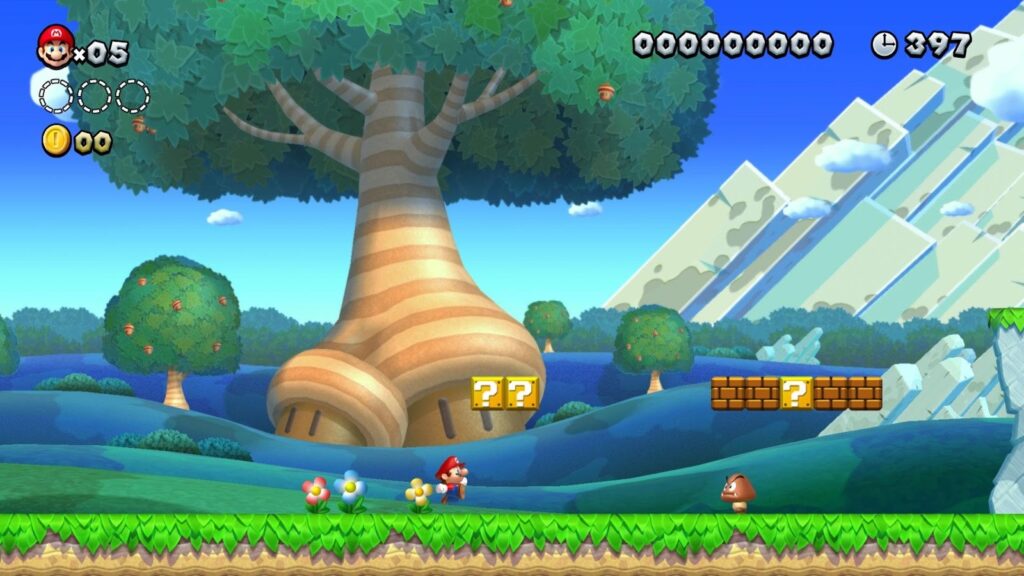
Nintendo decided to return to its 2D roots with New Super Mario Bros. series, which started on the DS and later moved to the Wii and Wii U. The games were simpler, family-friendly and multiplayer. They may not have brought a revolution, but they kept the franchise alive. It was Mario Bros in a new guise.
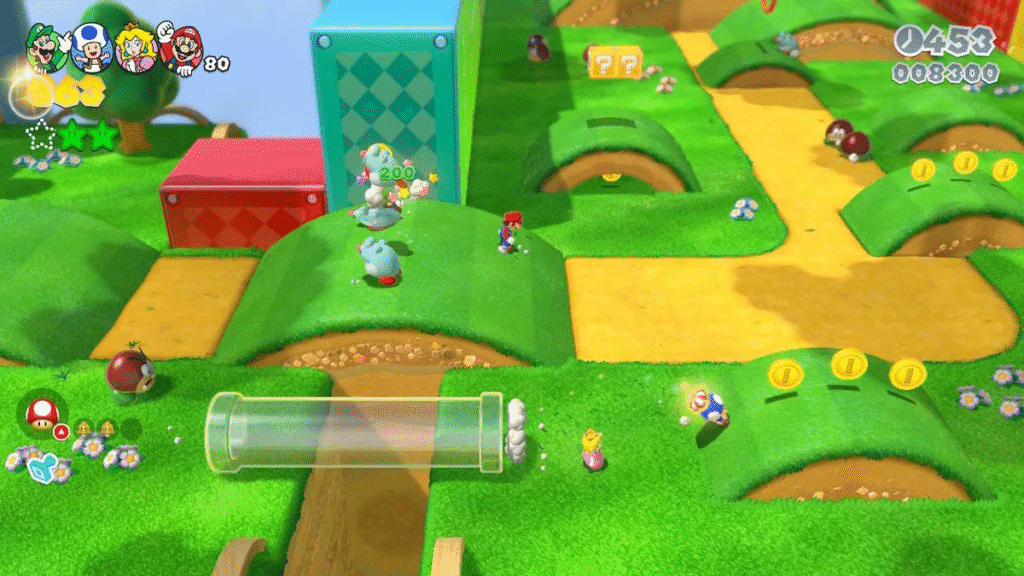
Super Mario 3D World combined the best of the 2D and 3D worlds, added cat suits (Cat Mario!) and introduced cooperative gameplay with multiple characters in 3D space. The game was a hit on the Wii U, and has flourished again on the Switch.
I associate some of my favorite memories with these games, with those student evenings when, instead of studying, I would cross level after level with my future wife, laughing and losing track of the time until late at night. Good times.
Super Mario Odyssey and the New Age (2017 - Present)
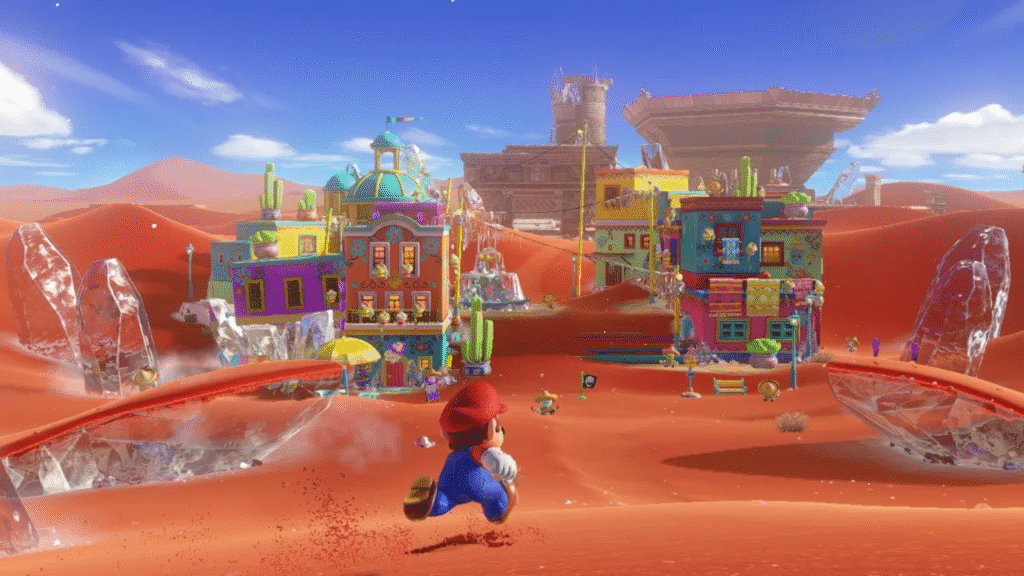
Super Mario Odyssey was a full-blooded return to 3D adventures: huge, varied, free. From New Donk City to deserts, jungles and amusement parks. New partner Cappy gave Mario the ability to "possess" enemies and use their abilities. It was a love letter to all previous games, but also proof that Mario can still be innovative in its 30+ years of existence.
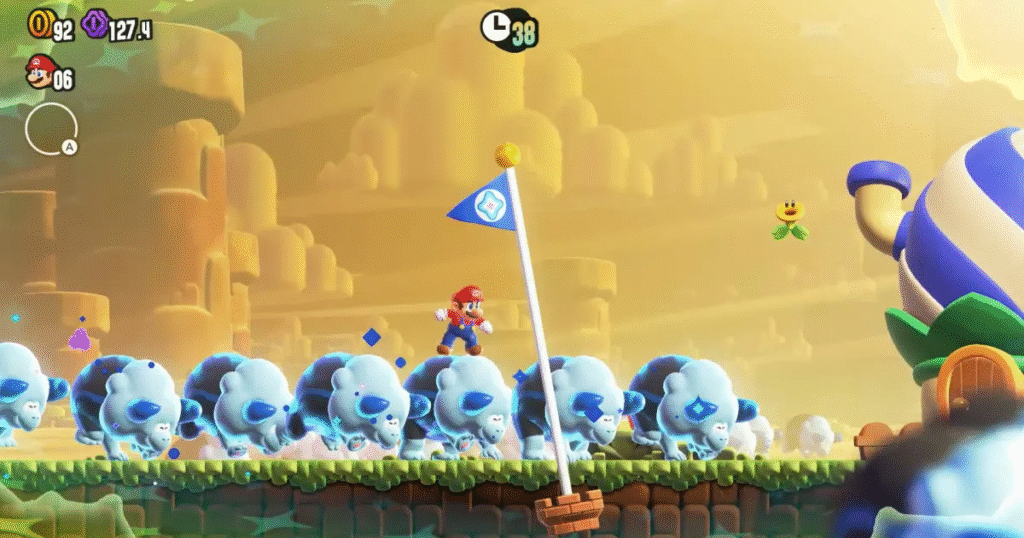
And finally, there's Super Mario Wonder, which represents a fresh start for the two-dimensional Mario series, bringing an unprecedented level of creativity, charm and craziness. Instead of relying on recycling old ideas, the game surprises with almost every level, whether you're being chased by pipes, transformed into an elephant, or the entire world turns into a music video. Visually lavish and mechanically precise, Wonder is proof that 2D Mario still has something to say.
All this shows how adaptable Mario is: it doesn't just have to be "Platformer Mario" - it can be 2D, 3D, multiplayer, adventure, open world... Audiences still want him, from kids to adults. In a world where many characters come and go, Mario is steadfast.
Playing phenomenon and cultural symbol
Mario is not just a video game. He is a LEGO set, a cartoon, a theme park in Japan. He is a movie. He's a meme. Parents who have never played the game know who Mario is. Children who are just learning what video games are start with Mario. Slowly but surely, it became a universal language.
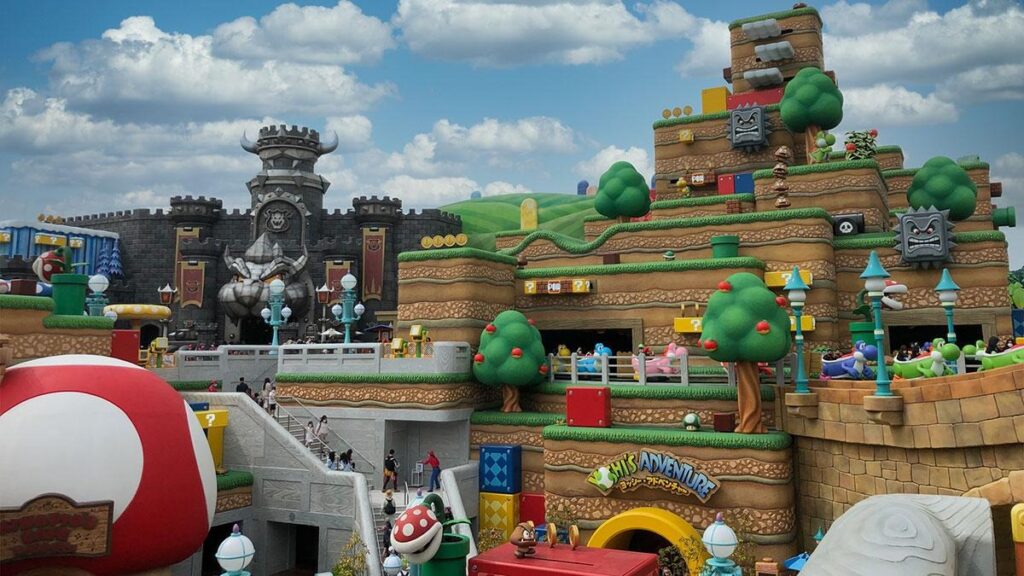
And no, it's not perfect. Some games aren't brilliant. Some spin-offs are forgotten for a reason. But consistency is what keeps it going: every game brings satisfaction, precise control, a smile. Why? Because it carries a universal message: the game should be fun, accessible, meaningful.
Mario doesn't just jump on the heads of enemies, he jumps outside of every category. Just a game. Mechanics. Level design. Challenge. Reward. In a world full of cynicism, Mario remains positive. In a world full of genres, Mario stands alone. In an industry where everything is measured by numbers, Mario is measured by smiles.
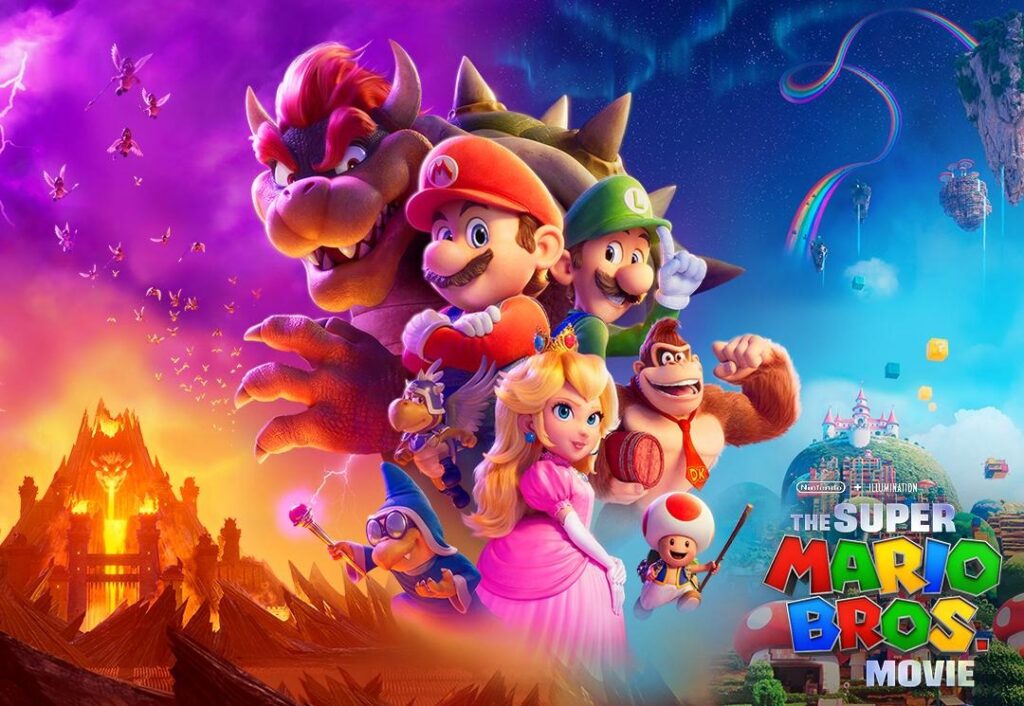
35 years later, Mario is more than a franchise. He is a reminder of what games can be. Pleasure, imagination, challenge, relaxation. And as long as there is a console, a screen, a jump button - Mario will be there. Ready to save Peach again. Or just to pick another mushroom. It's him. Now, always and forever.