"Imitation is the sincerest form of flattery." - at least that's what the saying goes according to the famous Oscar Wilde.
And although there aren't many imitations of one of the most popular roguelite games called FTL: Faster than Light, this one is certainly one of the better ones in that genre.
Reclaim the Sea is FTL with a blindfold on – a familiar formula, but in pirate attire.
For those who may not be familiar, FTL: Faster Than Light is a cult roguelite game from 2012 where you manage a spaceship through procedurally generated sectors, balancing between tactical battles, crew management, and making tough decisions.
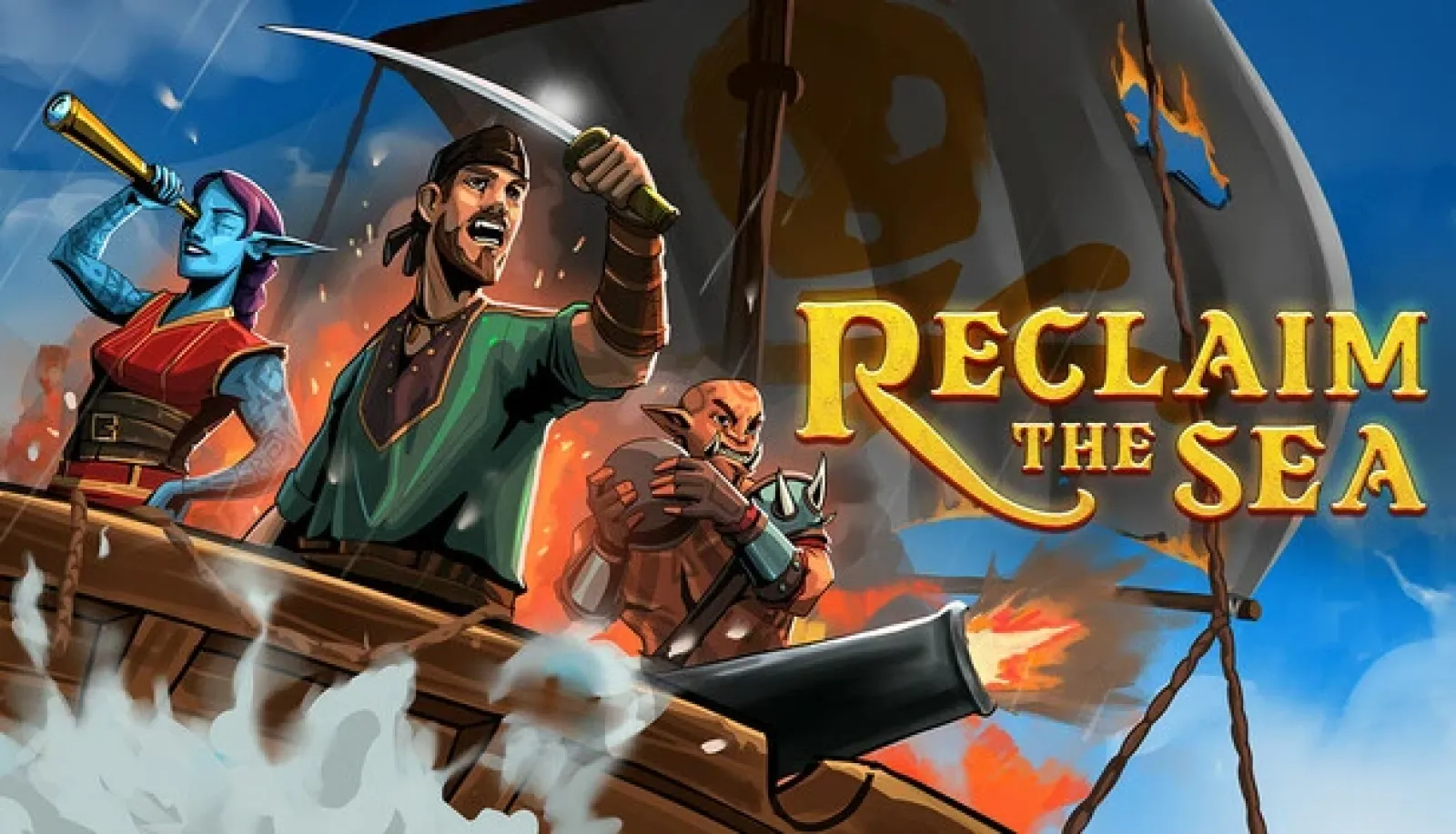
In Reclaim the Sea instead of space – you sail the oceans. Instead of a Federation captain – you are a pirate. The goal? To sail all seven seas and ultimately confront the English navy, a symbol of a rotten regime. Or something like that – because there isn't really a story as such. Still, it doesn't harm the game too much; the fundamental motivation is clear: sail, plunder, and survive.
You have a ship (and later more of them) at your disposal, each with its own specifics – advantages, disadvantages, space, and equipment. Each ship has a crew and an arsenal of weapons. Weapons come in various shapes and functions, and choosing the right combinations will be crucial for success in battles. It's up to the player to select the best tools, position them tactically, and embark on a quest for freedom – or doom.
Combat
Combat is the heart and soul of this game. Every decision we make directly affects the effectiveness of our ship and the brave crew that unreservedly entrusts us with command. It's up to us to determine who operates which weapon, which parts of the enemy ship we will target, and even how close we will get to the opponent before opening fire.
Conflicts unfold in real time, but there's no room for panic – at any moment we can pause the game and make thoughtful tactical decisions. This combination of tense battles and moments for reflection gives combat a special charm.
However, chaos is not reserved only for external threats – during battles, fires often break out on our ship that we must urgently extinguish before they damage critical systems or incapacitate the crew. Crisis management becomes just as important as precise targeting.

Navigation and Resources
After each battle, you earn resources that you use to upgrade your ship, purchase new weapons, or passive improvements. However, Reclaim the Sea is not just about combat – you will also need to navigate the world smartly through a map filled with various "points of interest".
Some of these points lead to new conflicts, while others will surprise you with text events, the outcome of which – whether reward or punishment – depends solely on your decisions. At the end of each map, you choose between three new areas, each carrying its unique challenges. The more you play, the better you learn to recognize which seas hide danger and which hold potential loot.
The map, although visually simple, introduces several mechanical limitations. Each point of interest is a certain number of units away, and to reach them, you need to have enough food – which here serves as a sort of fuel. To avoid wandering endlessly through the ocean's wastelands, there is also a threat level – a measure of threat that increases with each visited point. When that level peaks, you risk encountering a Freedom Defender – a powerful interceptor that does not forgive mistakes.
Successfully navigating all seven seas, outsmarting threats, and ultimately defeating the final boss is no easy task. On paper, it sounds simple – but don't be fooled, as Reclaim the Sea can be as merciless as the ocean itself.
Graphics
The pixel art style in Reclaim the Sea effectively conveys the pirate atmosphere and generally appears polished, with enough detail to draw you into the game's world. However, at certain moments, the visual presentation reminds one of the golden age of flash games – which may be nostalgic for some and seem somewhat outdated to others.
Occasionally, it feels like the screen is not optimally utilized – a large amount of empty blue space is left to the sea, while some user interface elements could be visually richer and functionally better integrated.

Sound
Nothing special, all the pirate sounds we expected are here. The background music becomes monotonous after a while.
Overall Impression

Reclaim the Sea is a competent and fun FTL clone that can provide hours of quality roguelite action. However, it remains unfinished on several important fronts. The visual presentation of the menus, icons, and user interface feels somewhat "cheap" and incomplete, as if the game was released too early. It's a shame, because it is precisely through these elements – which the player looks at most of the time – that the game's pirate identity could have been further strengthened.
Content-wise, the game also shows limitations. The textual events are numerically modest and quickly begin to repeat, which diminishes the sense of discovery and freshness. The choice of weapons currently does not offer enough variety to allow for deeper tactical experimentation – most runs end with a very similar approach to combat.
Despite these shortcomings, Reclaim the Sea has potential. With a visually polished UI, an expanded arsenal, and a greater number of events, the game could certainly compete within the genre. For now, FTL remains the untouchable king of such games, but Reclaim the Sea is a very welcome and fresh pirate chapter for anyone looking for another round of tactical survival – this time on the open sea.
A copy of the game for review purposes was provided by the development studio 1LastGame and the publisher indienova