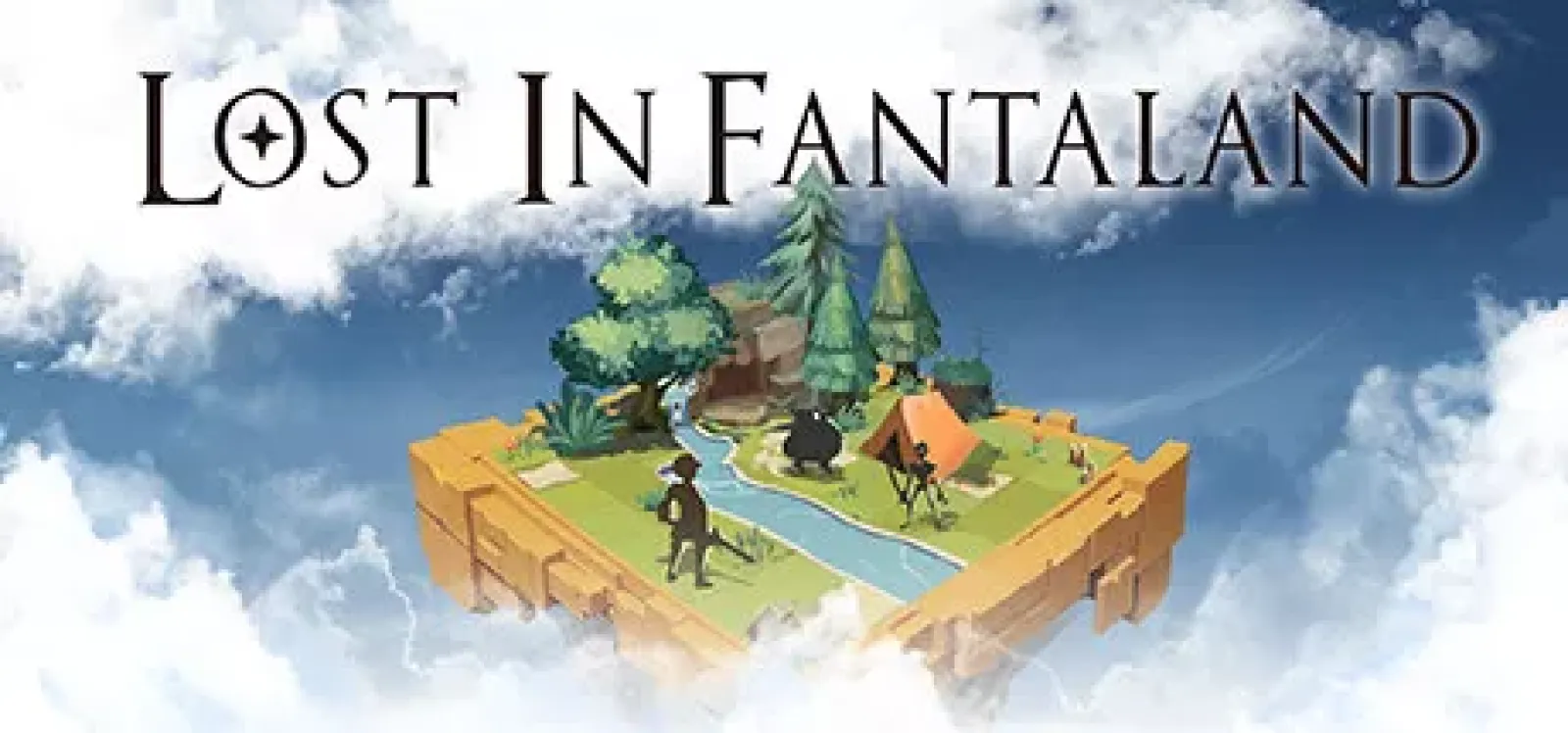
Lost in Fantaland is a tactical roguelite game with deck-building elements developed by Supernature studio. This title combines strategic planning, randomness, and turn-based combat into a whole that feels both classic and fresh. Although it was originally a PC title, the PlayStation 5 version offers excellent optimization, fast loading times, responsive controls, and a stable framerate without drops, making the experience enjoyable and fluid.
The game's story takes the player into the mysterious world of Fantaland, a magical place full of dangers and unknown forces. At the beginning, the player chooses one of three basic classes: warrior, mage, or rogue, each with a unique playstyle, abilities, and cards. The warrior relies on strength and endurance, the mage uses devastating spells and area control, while the rogue focuses on speed, evasion, and shadow attacks. This choice immediately affects tactics as each class requires a different approach to combat.
The campaign consists of randomly generated levels connected by nodes on a map. On this map, the player chooses the direction of movement, deciding whether to engage in combat, visit a shop, risk a random event, or seek a break at a rest area. This makes each adventure different, and the feeling of exploration and uncertainty remains present until the very end.
The combat itself takes place on an 8x8 grid, giving the game tactical depth. The position of the character, obstacles, and environmental elements like puddles, traps, or rocks are crucial in planning moves. Cards represent attacks, defenses, spells, and special effects, and the player uses them depending on the amount of available energy in each turn. What makes Lost in Fantaland special is the ability to combine cards; by linking attacks and spells, powerful synergies are created that can completely turn the tide of battle.
Enemies are diverse and often require tactical adjustments. From basic foes that serve for learning to powerful bosses with unique attack patterns, battles are always tense and dynamic. At higher difficulties, especially in the so-called Ascension mode, enemies gain additional abilities and resistances, making every victory a true test of skill.
Progress in the game is based on collecting souls, or Soul Orbs, which are used to unlock permanent upgrades between runs. This includes new cards, passive bonuses, or additional options when starting a new adventure. Although each new attempt starts from scratch, this system creates a sense of constant progress and encourages replayability.
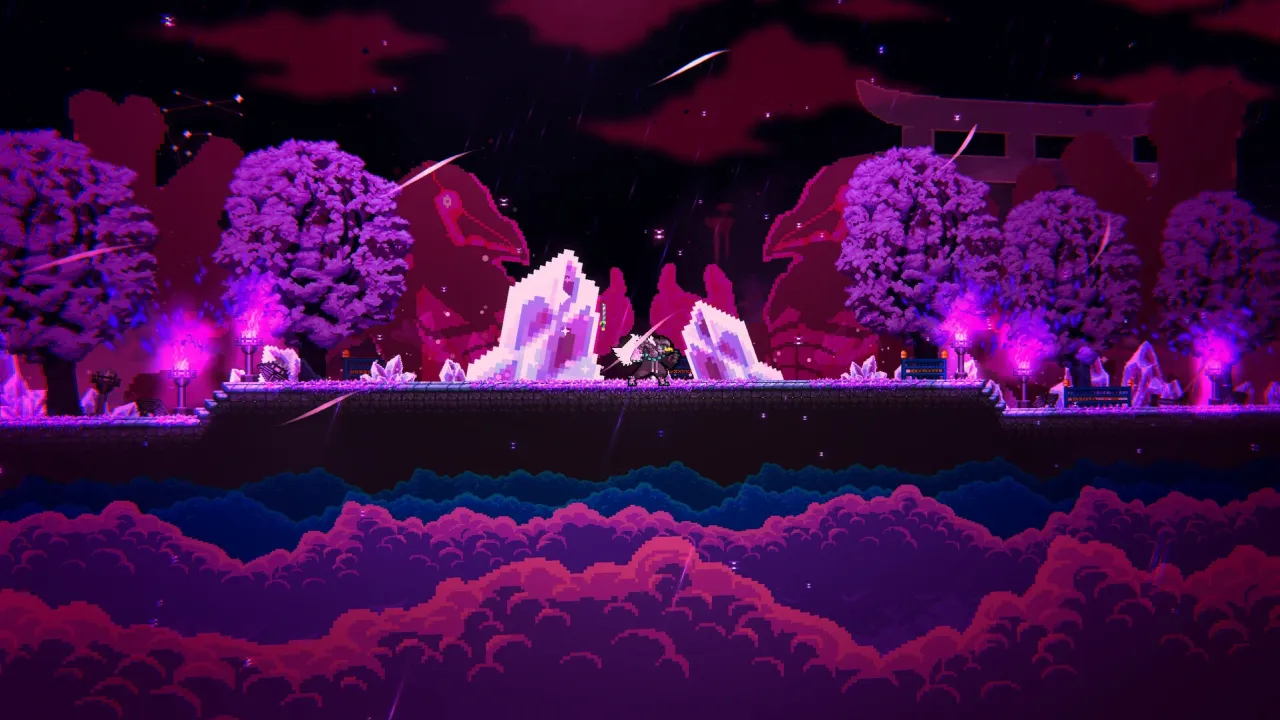
Visually, Lost in Fantaland is a true gem of pixel art. Every part of the world, from dense forests and desert ruins to cold mountain peaks, is crafted with great attention to detail. The colors are vibrant, and the effects of spells and attacks look excellent at 60 frames per second. On PlayStation 5, the game runs exceptionally smoothly, with no noticeable drops in performance, and loading times between levels last only a few seconds. The sound and music further enhance the experience, with ambient tones creating a sense of mystique, while battle melodies heighten the adrenaline during conflicts.
All in all, Lost in Fantaland is a game that combines deep tactical mechanics, random adventures, and a satisfying card system into a whole that captivates with its simplicity and depth. On PlayStation 5, it feels polished and technically stable, with an excellent sense of control and a fast-paced combat rhythm. If you enjoy strategy games, cards, and challenges that reward thoughtfulness over reaction speed, Lost in Fantaland is a title that could leave a lasting impression on you.
A copy of the game for review purposes was provided by the publisher Game Source Entertainment