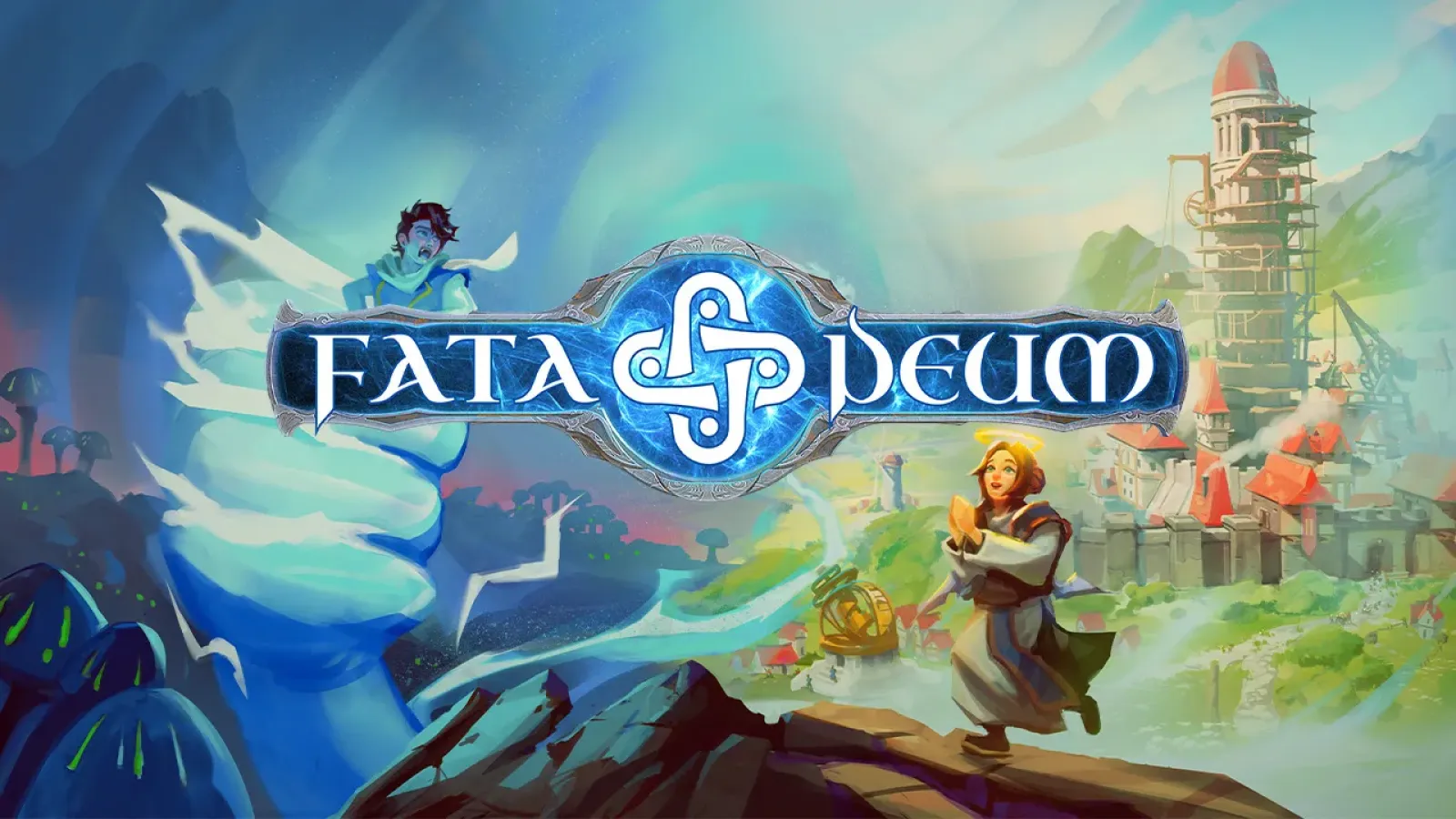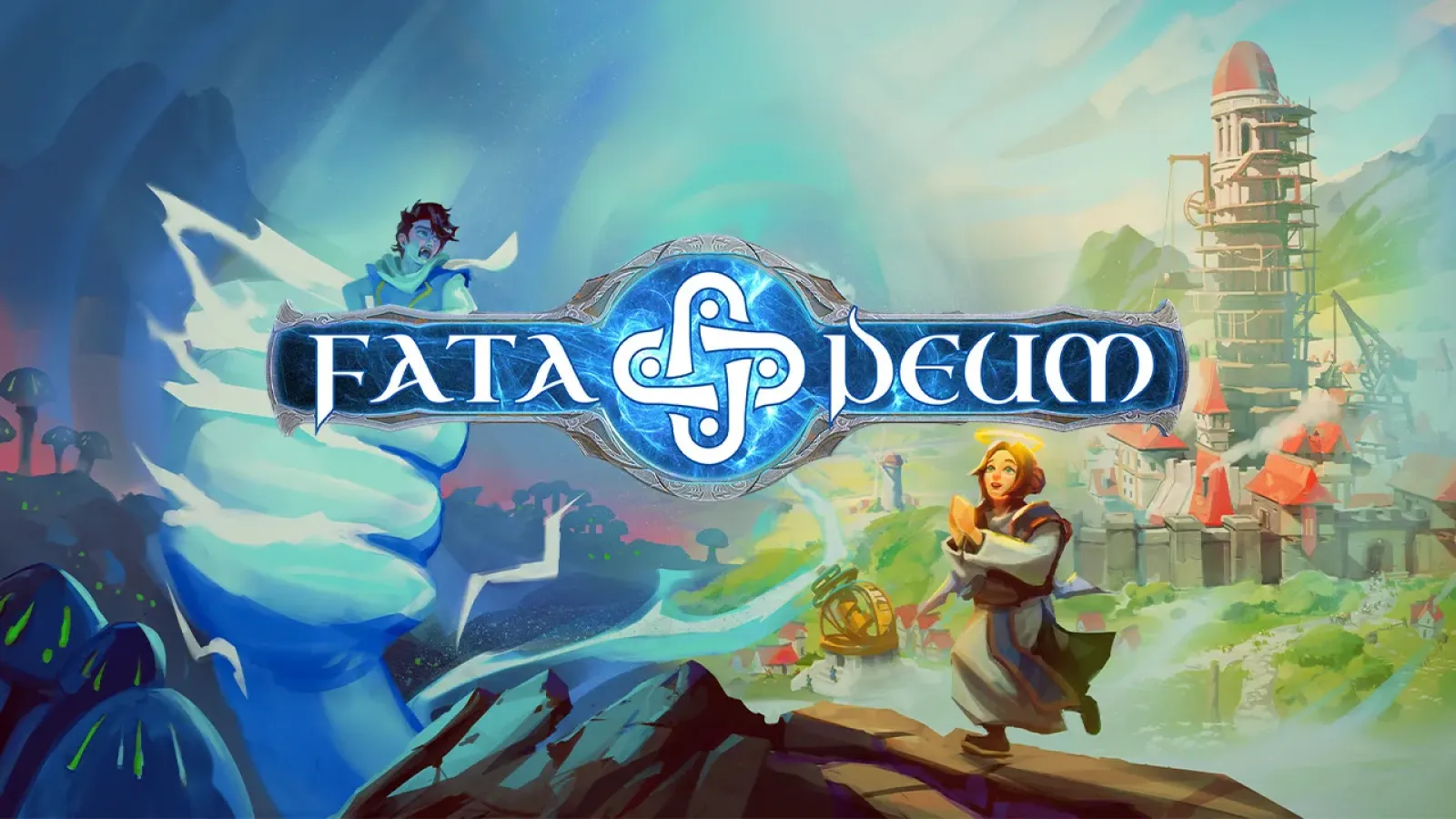
It seems that players are yearning for the return of the golden age of “god” simulations. Fata Deum brings just that — a modern interpretation of the Black & White and Populous genre, with a day and night cycle, destructive physics, and an ambitious morality and influence system. And most importantly – behind it all is the dedicated development team at 42 Bits Entertainment, supported by the Kickstarter community, publisher Aerosoft, and even 200 thousand interested people on Steam. By the way, this indie studio specializes in this type of game and aims to restore the glory of “god” simulations.
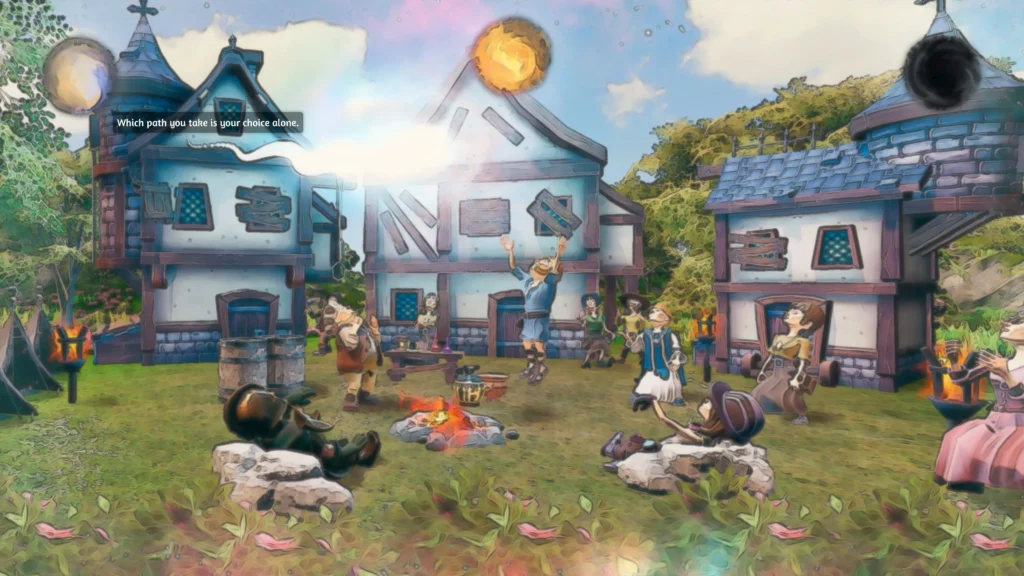
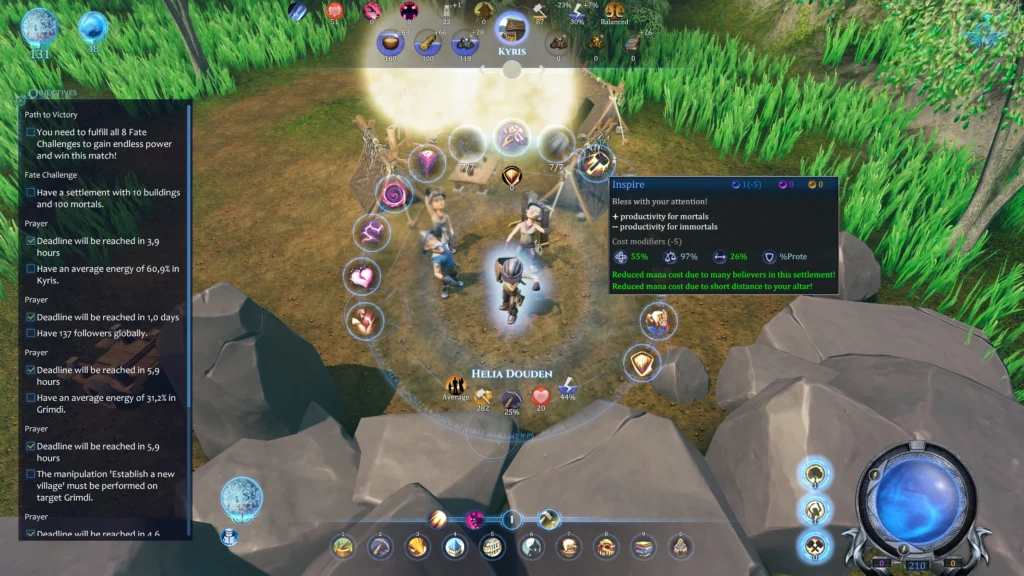
Fata Deum gameplay looks like this: during the day, you take on the role of a god who inspires or intimidates. It’s up to you to choose in which direction you want to spread your “divine influence.” Your task is to encourage the plebeians..., pardon, the inhabitants to develop settlements (or violence :)), build temples, houses, farms, schools, etc. You can bestow blessings or punish – citizens have free will and the feedback can be unexpected. Except when the option to revoke free will is unlocked. Then they aren’t so free, and you can prevent the masses from doing something foolish... or smart things that don’t really benefit Your Excellency. Night is an opportunity for strategy and manipulation. You have the chance to manipulate the dreams of your inhabitants and plan your next move against the opposing god, including sabotaging the rival settlement.
Competitors? Other gods specialize in violence, pleasure, deception, or fertility. Each with their own style, aiming to gain the most followers. Each choice has a unique style, visual design, and approach. And the player? You can be a utopian builder, a grotesque tyrant, or something in between — your decisions shape the environment. Fertile lands or scorched earth — it’s all up to you. The A.I. system is still being improved, designed to adapt to your moves and develop its own strategy. Your main resource is mana, which you spend to cast your powers. This can be a blessing, increased work efficiency, physical strength, energy, or even health – you can extend the life of your inhabitants. If you want to be wicked, with the help of mana, you can sow fear and tremble, capture and throw a resident, strike with a divine fist, or even kill – depending on how long you hold down the mouse button. Longer pressure means more damage. So, be careful if you don’t want to overdo it with punishment.
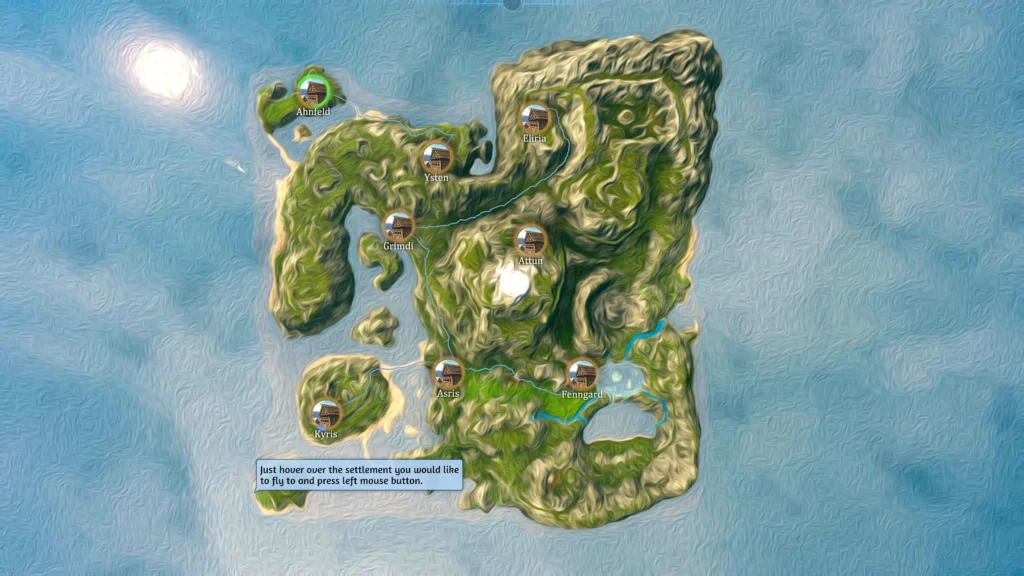
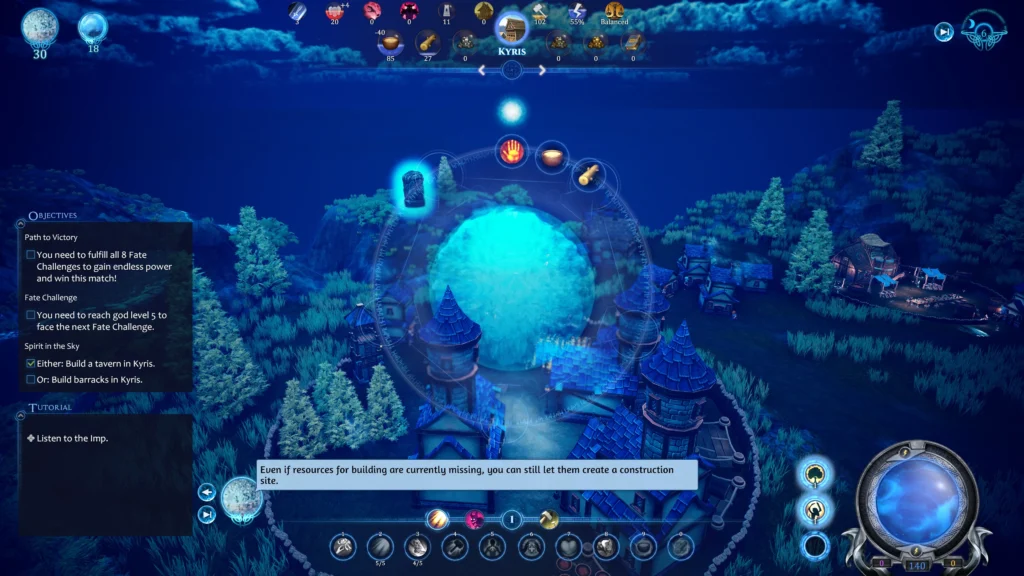
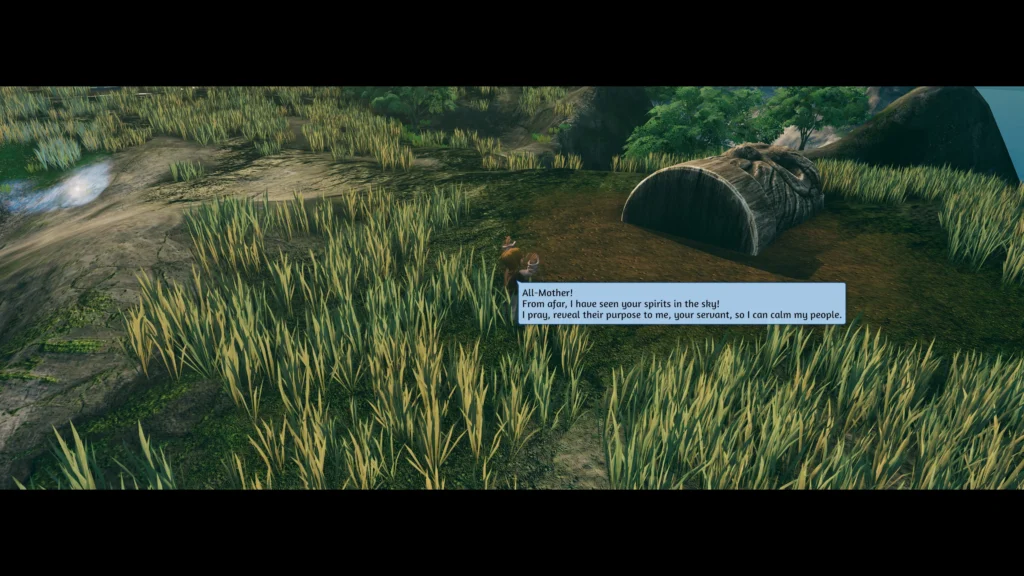
Your inhabitants will occasionally express their desires through prayers, and it is up to you to decide whether to grant their prayers. If you neglect them for about two days, it can easily happen that they rebel against you. They will start mocking you with derogatory songs and inciting a revolt. All of this is accompanied by a charming cut-scene. In that case, a little instilling of fear can bring these unruly subjects back to where they belong. Show them who is in charge! It is worth noting that resources, such as wood and stone, can be used to build around 20 buildings for now. You also have the option of trading between settlements where you have a dominant influence, allowing you to transfer resources to another vassal city if it is in deficit of a certain resource. As your population increases, you need to ensure that everyone has a place to live and that your settlement has enough food. Speaking of birth rates, you can cast love spells on your inhabitants and, like Cupid, mediate in their romantic endeavors... Or you can cast a curse on one of them so they never find their life partner.
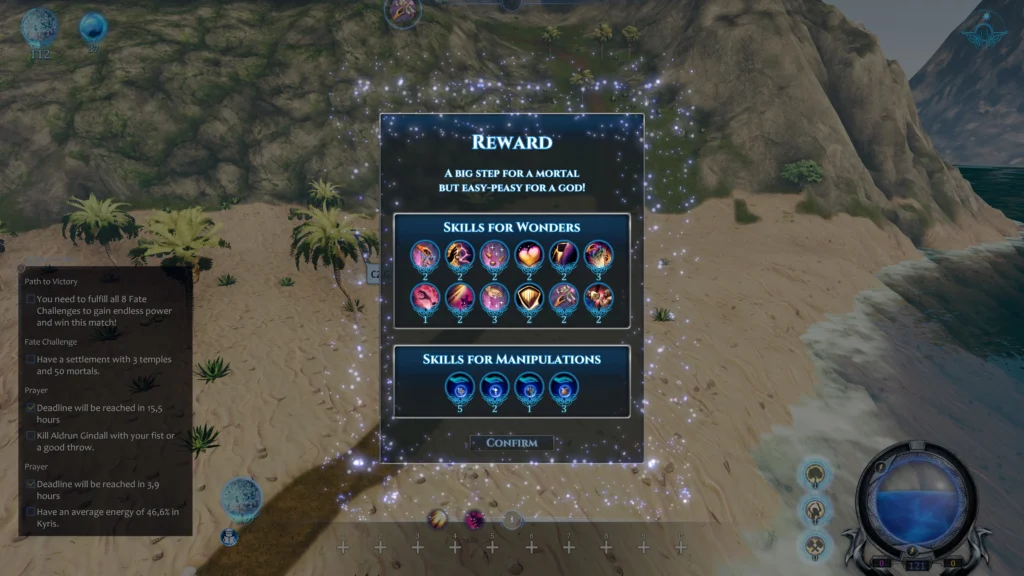
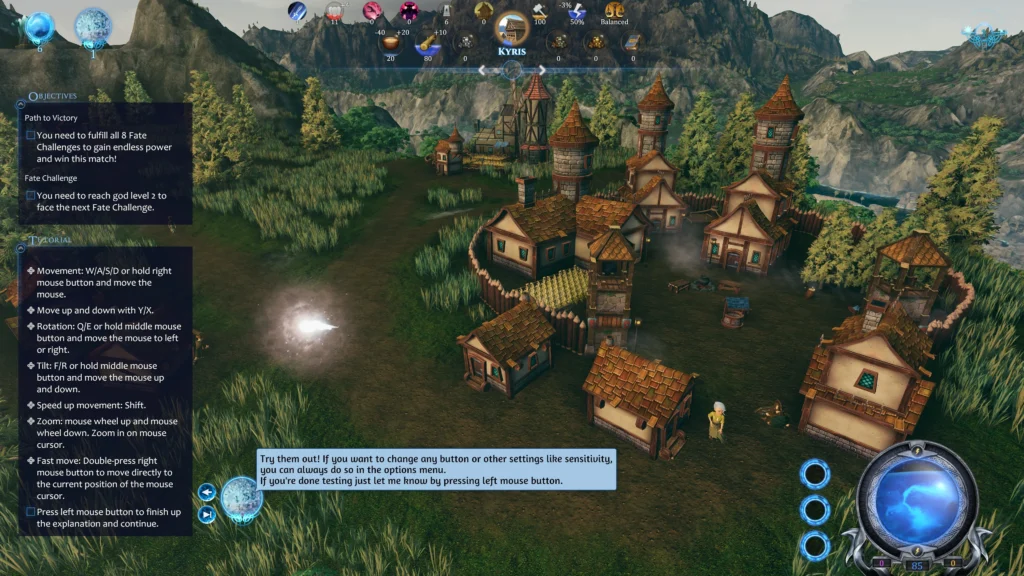
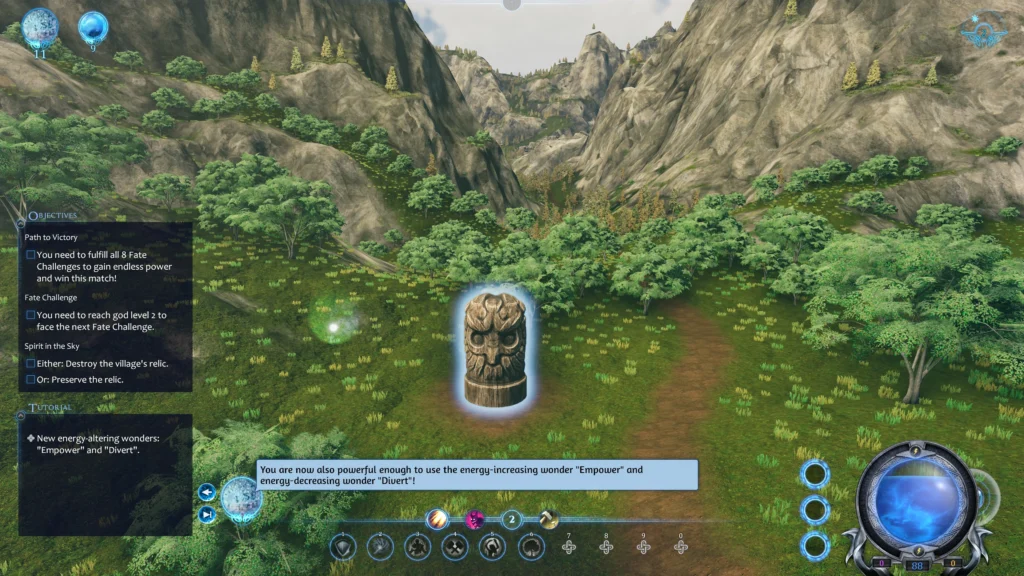
Given that the experience and points collection system is quite complex, following the tutorial can be challenging at certain moments. For example, things work fine while you are managing a single settlement. As soon as you start expanding to the next one, you encounter a problem known as micromanagement. There are many tasks you need to complete in a single day, and the day is quite short. Especially if you want to grant prayers, cast powers, and assign your inhabitants some building tasks, all while trying to process the information that the tutorial suddenly presents with some new information. What is good about it, however, is the ability to determine when you want the next sequence of tutorial sentences to continue. I just think that left-clicking the mouse is not the best option for that, as you have to use it constantly, and if you "miss" clicking on something specific in your settlement, the tutorial continues with its story while you are trying to do something else before time runs out. And there is a lot of information, sometimes to a tiring level. Additionally, you have secondary tasks that bring you experience points, which you use for upgrading existing or purchasing new powers.
The problem is that tasks can pile up, and most of them are time-limited, which can become stressful. It is, in a way, a competition with other gods, so it would be desirable to solve as many as possible. It should be mentioned that the game also has a destruction feature. Meteors, the demolition of temples, and destructive powers provide a spectacle and require a deeper strategy if you make someone's life miserable... or if someone else plays tricks on you. The graphics and visual effects are generally spectacular for this indie title, and without a doubt, the whole situation looks beautiful at 4K settings, as do the cut-scenes in the campaign.
In short, Fata Deum is the most ambitious attempt to revive the “god game” genre in the last decade. A true title for fans who want strategic depth, moral dilemmas, and apocalyptic fun. With a certain degree of updates and better tutorial optimization, it could become the "spiritual successor" to classics like Black & White, with a modern combination of strategic management, morality, and supernatural rivalry. As for availability, the game has just been released for PC and Mac on September 15, 2025. If you're in the mood for divine escapades — no matter how benevolent or demonically violent they may be — Fata Deum deserves a spot on your list.
A copy of the game for review purposes was provided by the development studio 42 Bits Entertainment and the publisher Aerosoft