Spooky season is upon us, and as every year, Playstation has welcomed us with titles meant for this season. For the October monthly, we have been greeted by the Dead Space remake (which review will be available in a few days) and Dead Island 2!
And while one, as its name suggests, is in space, the other is of course in… Los Angeles?
We will ignore that the authors of this sequel were not focused on the geographical restrictions of the title but on development, as this game was in development hell for over 10 years and more or less everyone expected it would never see the light of day.
Fortunately, they were wrong, and we were greeted with the same concept as in the first title and the stand-alone sequel Dead Island: Riptide - 6 slayers, tons of zombies, and a bunch of quirky characters giving us side quests that you would expect from celebrities and influencers.
Spoiler alert: If you choose Ryan, he’s not quite the firefighter you might have thought.
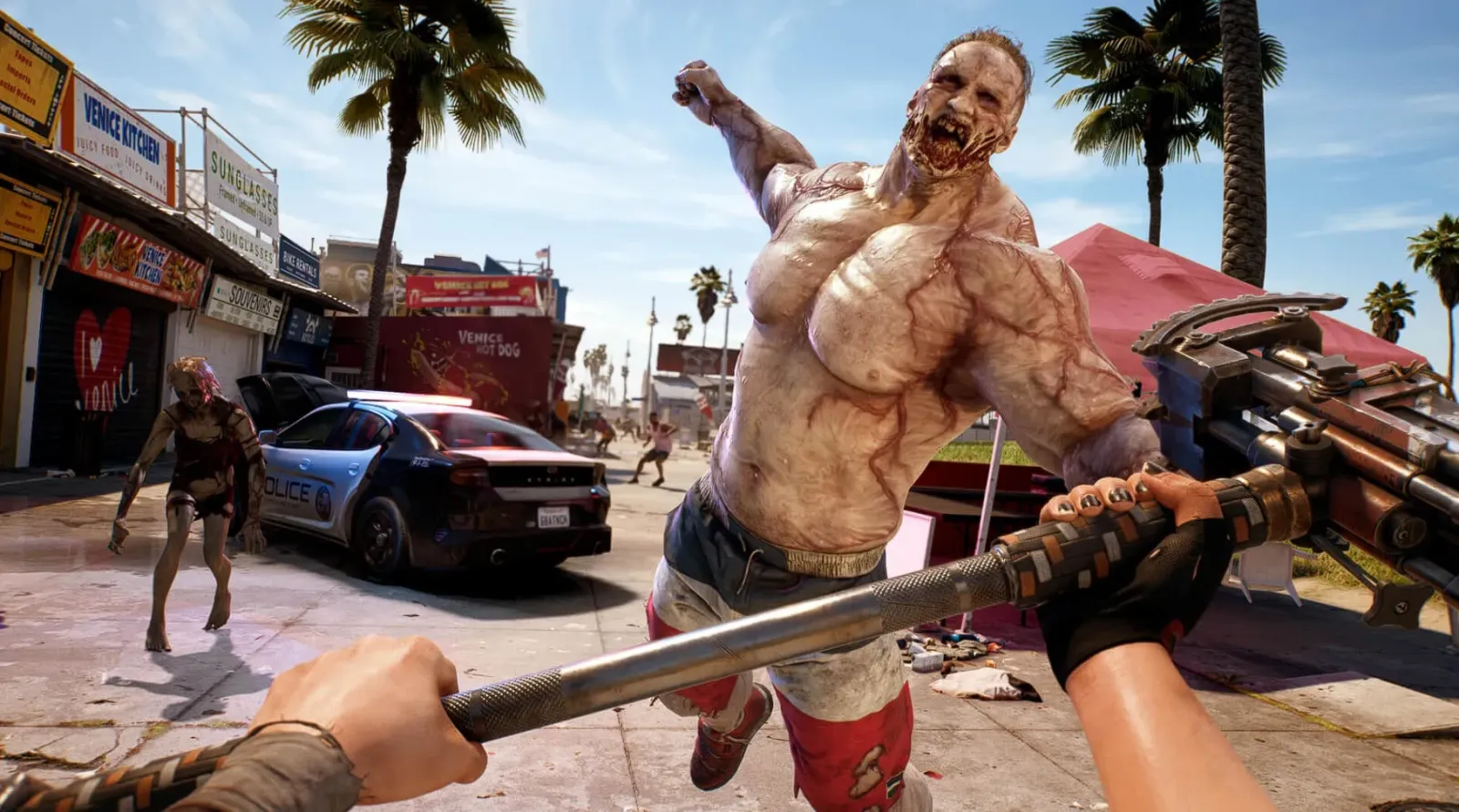
Like the original Dead Island, the game looks good graphically, but not in that AAA sense; during the constant adrenaline-fueled action, you won’t even notice that the models aren’t that detailed, that sometimes zombies load right in front of your eyes.
Sunny scenes of beaches, palm trees, and luxurious villas contrast with the bloody trails of zombies, creating a vivid picture of the apocalypse in vibrant colors. The streets are filled with details that bring a sense of life, or at least what is left of it: destroyed cars, abandoned shops, graffiti, and bloody trails turn LA into a stage for constant chaos.
Lighting effects further enhance the atmosphere, especially when you’re fighting against a horde of zombies at sunset or when explosions illuminate a dark street. Textures are often simple, but the visual dynamics of movement and combat effects compensate for the lack of detail in the models. You might notice low resolutions on background objects here and there, but amidst the fast-paced battles and zombie splatter, you’ll rarely stop to notice those little things.
Although graphically it’s not at the peak of technology, Dead Island 2 maximizes its stylistic expression. Colorful depictions of brutality, along with a rich color palette and lighting effects, create an atmosphere that is not dark, but somewhat cheerful.
Gameplay
At its core, Dead Island 2 brings us back to what many loved in the original title – pure, carefree fun in massacring zombies with a dose of dark humor. Although the game has gone through a long development process and several studio changes, what ultimately arrived on our screens is a reflection of patient work and unhidden love for the genre.
Dead Island 2 does not try to pretend to be something it is not; instead, it uses its limitations to create an experience where the focus remains on action and visual entertainment, even when the storyline or game mechanics feel somewhat simple or already seen.
Our protagonist, regardless of which slayer you choose, will wander through the sunny streets of Los Angeles, in the "Hell-A" version of the city filled with zombies. I must admit that the name Hell-A felt a bit cringe to me at the start, and it is used too much throughout the game.
There are some elements that players love – like diverse enemies, creative weapons, and the enticing F.L.E.S.H. system (which I will explain a bit further down) that brings an unprecedented level of graphic brutality, especially highlighted when you send zombies flying backward with a dropkick in cooperative mode.
The game features RPG elements based on cards that you add to your character. Some cards are unique to your character, but they are generally not too crucial for the game in the later stages, although at the beginning they can make the difference between life and death.
Dead Island 2 invites us to action that leans towards classic arcade fun – like when you hit zombies "blindly," using a bunch of improvised weapons and resources you pick up from the road.
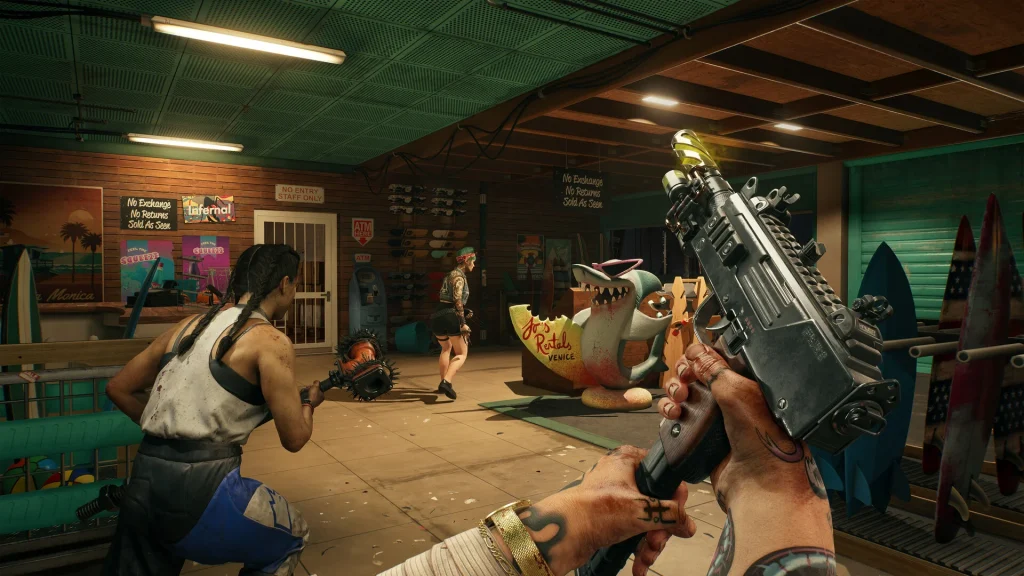
Co-op is the part where this game shines. You can invite up to two friends or random players to join your team, and fun is guaranteed. When the team coordinates, every encounter with zombies becomes an opportunity for creative elimination methods.
The feeling of chaos and euphoria escalates when the team manages to orchestrate deadly combinations, for example, using electric traps to fry zombies, and then using a dropkick move to send the survivors flying towards a friend who finishes them off with a baseball bat. This level of interaction with the environment and combination of attacks is far more fun than single-player, and if you have your crew, you can clear LA without any problems.
Players can explore together and share resources, creating dynamic gameplay where friends must rely on each other, especially when surrounded by numerous enemies. Although this sounds like you will be helping each other, arguments often break out over “accidental” taking of weapons with good stats.
Some things never change.
F.L.E.S.H. - Gore at a New Level
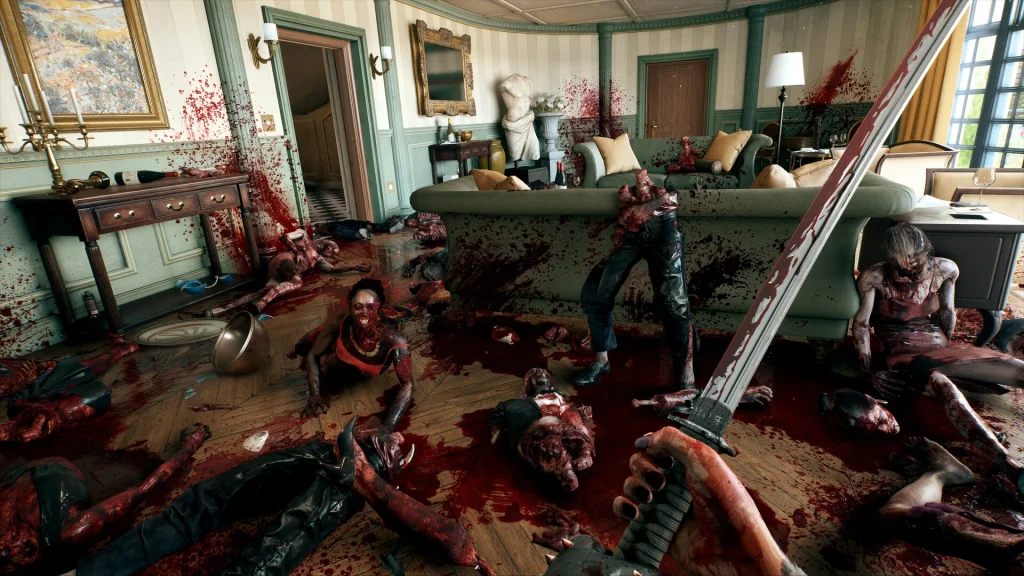
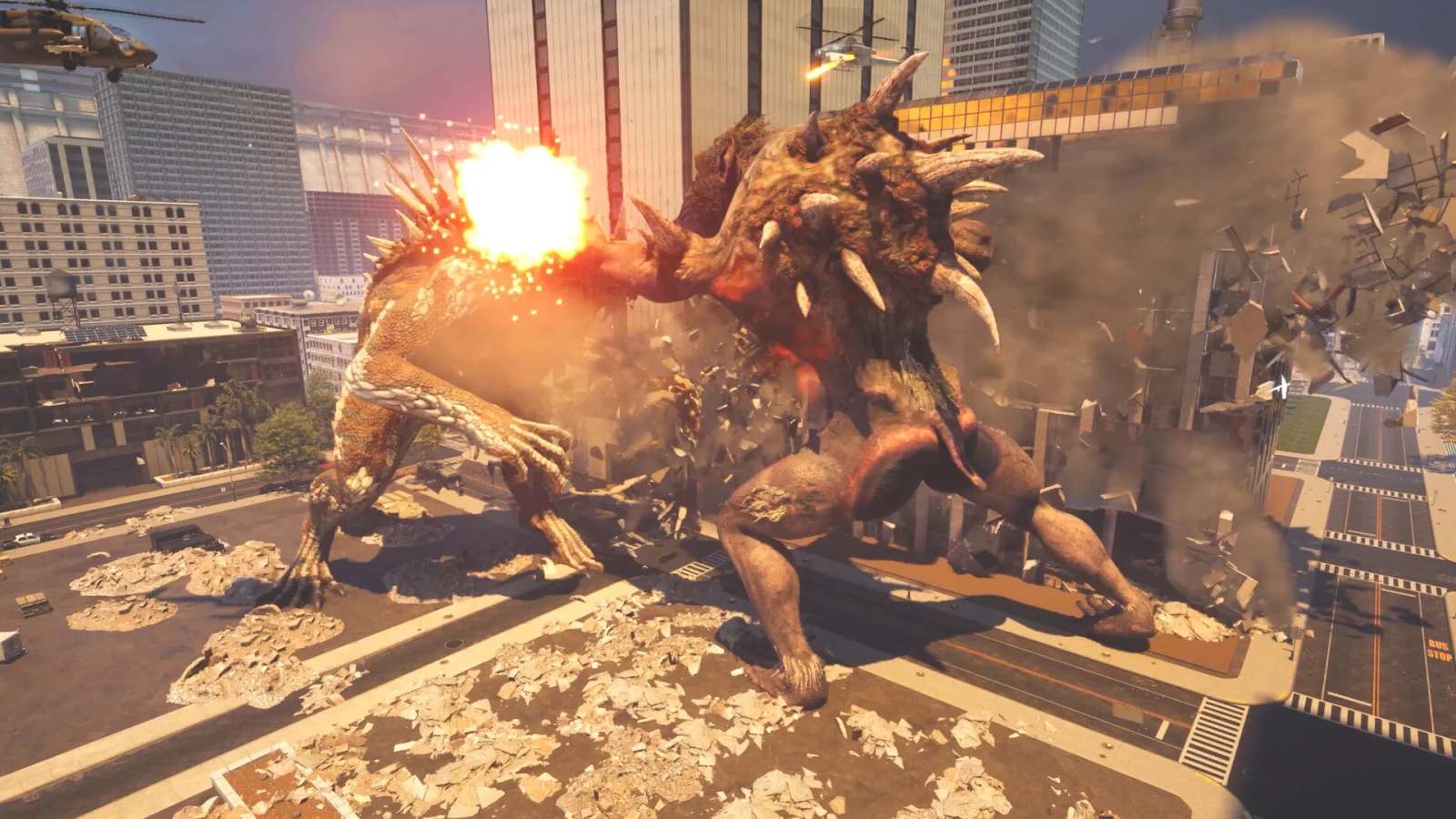
One of the most striking components of the game is definitely the F.L.E.S.H. system – an innovative approach to simulating damage on zombies. Every hit, cut, break, or explosion on the bodies of zombies is displayed in astonishing detail.
F.L.E.S.H. (Fully Locational Evisceration System for Humanoids) represents one of the most revolutionary damage display systems ever seen in video games. It is a technology that simulates the physical consequences of every hit or cut on zombies in an astonishingly precise way. Thanks to this system, every physical contact with the enemy feels incredibly realistic – each part of a zombie's body has its specific reactions, and the game meticulously tracks how skin, flesh, and bones separate and change with every attack.
It's cool to see when you use a weapon like an axe or a sword to precisely see where the cut occurs on the zombie. In fact, you can see details like the separation of muscle fibers.
Firearms, on the other hand, create a completely different effect, which is the explosion of body parts based on the hit, or in the case that you use literally a fire weapon, like a flaming machete, you will see how the zombie slowly burns and changes appearance. Awesome!
What's also cool is that certain zombies have resistance to specific elemental effects, such as electrician zombies having immunity to attacks from weapons that deal electric damage. So, you can't rely solely on one favorite weapon, but continuously combine weapons depending on the situation.
The game thus rewards brutality in combat and allows players to experience all the adrenaline of fighting in a way that is unique to this title. Many critics have deemed this system one of the most important additions that make the game different from similar survival titles.
Missions and Atmosphere - An Attempt at Parodying Influencers
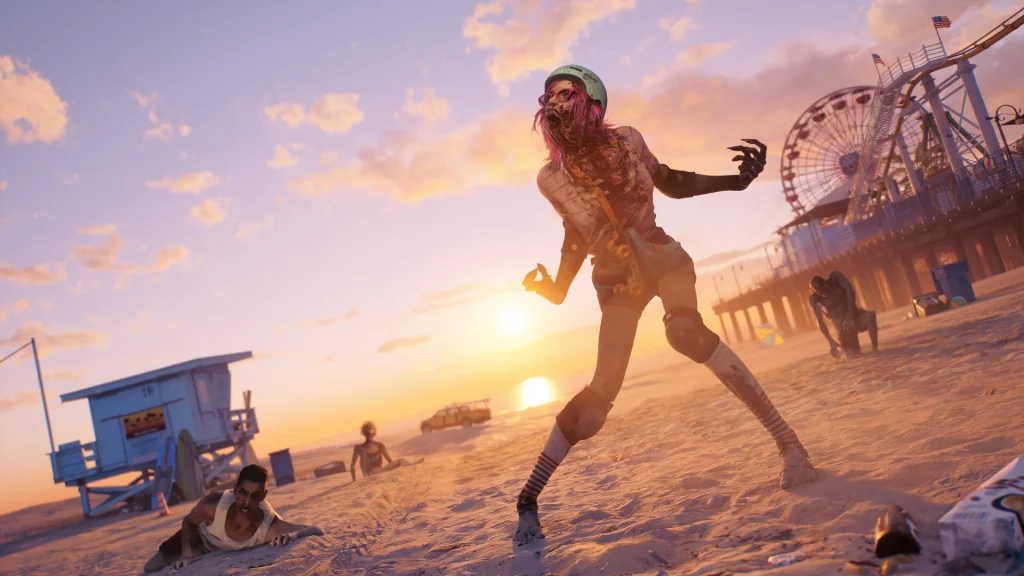
In Dead Island 2, character selection can mean a lot or very little, depending on your playstyle. Each of the six slayers brings specific skills and personalities, with Ryan standing out as he is not the typical firefighter you might expect, but a character with a dose of irony and dark humor.
Although the story is the most basic possible version of a zombie tale and doesn't delve too deeply, interactions with side characters provide entertaining moments. The characters we meet are not standard NPCs, but often parody well-known stereotypes from Los Angeles, such as narcissistic celebs and eccentric influencers seeking help in fighting zombies while simultaneously caring about their "assets" and image.
No, here we come to a small problem. At first, we encounter amusing situations – rescuing influencers who care more about their follower count than their lives, or helping celebrities obsessed with luxury while the city crumbles – and these interactions quickly lose their charm. Characters that initially seem caricatured and funny, often due to their frivolous priorities, become predictable after a few missions, and the humor rapidly fades when you have to complete the same quest over and over again, just in a different location.
And yes. The missions repeat. All the time.
Repeating similar tasks for the same characters diminishes the sense of progress and dynamism, and the repetitive nature of the tasks occasionally undermines the intensity of the game, causing the humor to lose its effect.
Moreover, some of the NPCs designed as satirical portrayals of social trends – like influencers who take “selfies” in the midst of the apocalypse and scream about their follower losses – come across as a concept that never fully reaches its potential. As a result, players may find them one-dimensional and hollow after the initial excitement wears off.
The game would benefit from a broader range of humorous elements and more deeply developed tasks, perhaps through stories that would expand the perspective of these caricatured characters or offer additional layers of irony. The only character that had real depth for me was Patton, as he offers a spectrum of emotions, a great backstory that is explained a bit more than our slayers, tragedy, and a dose of humor.
Plus, Patton is a cool dude.
New Game+
The good news is that during the writing of this review, the New Game+ mode was released, so I played the game again. The New Game+ mode in Dead Island 2 brings a refreshed experience for players who have already completed the campaign and want to dive back into the story with additional challenges and customized builds. This mode allows players to retain all their earned skills, weapons, and gear from the previous campaign, meaning you don’t have to wait 10+ hours to find your first firearm.
One of the most striking changes in the New Game+ mode is the presence of powerful Apex zombies almost right from the start of the game. While these elite zombies are reserved for later parts of the campaign in the standard mode, here players encounter them in the early missions. Apex zombies possess special skills and increased durability, adding extra challenge and a completely new dynamic to combat. Players will need to adjust their strategies, as standard approaches may not be sufficient for these powerful enemies.
Besides Apex zombies, even regular enemies are significantly stronger in this mode. Regular zombies now have increased health and deal more damage, making every fight tenser and riskier. Of course, your character will also be much stronger, but this part was far more enjoyable for me.
BTW, don’t jump into New Game+ right away because some quests are only available after you finish the game.
Final Verdict
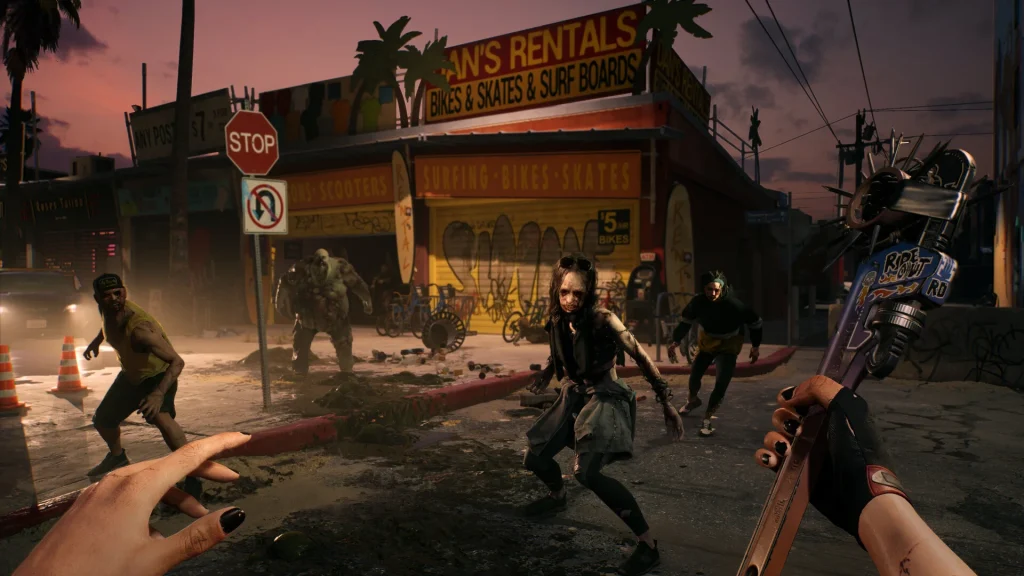
Dead Island 2 is like a summer horror movie – it doesn't try to be serious or revolutionary, but rather a fun chaos where the only rule is: hit the first zombie you see and laugh as it flies apart. After the game went through a decade of development hell, we got what we might have secretly wished for – a simple, bloody, yet addictive experience.
The F.L.E.S.H. system is literally a meaty delight that turns every encounter with zombies into its own horror spectacle, while Hell-A constantly reminds you that even in the midst of an apocalypse, there's room for satire and humor. Encounters with celebs who would rather save their Instagram profile than their own head add a dose of parody that makes the game even more entertaining, at least until they start repeating the same requests for the tenth time.
But hey, they're almost like zombies – they don't mind the routine. Regardless of its flaws, Dead Island 2 is everything it needs to be: a quirky, bloody adventure through apocalyptic Los Angeles where you laugh, scream, and hit zombies in an unbroken chain of arcade fun. If you love chaos and aren't looking for deeper philosophical messages, Dead Island 2 is your ideal cocktail of horror and entertainment.