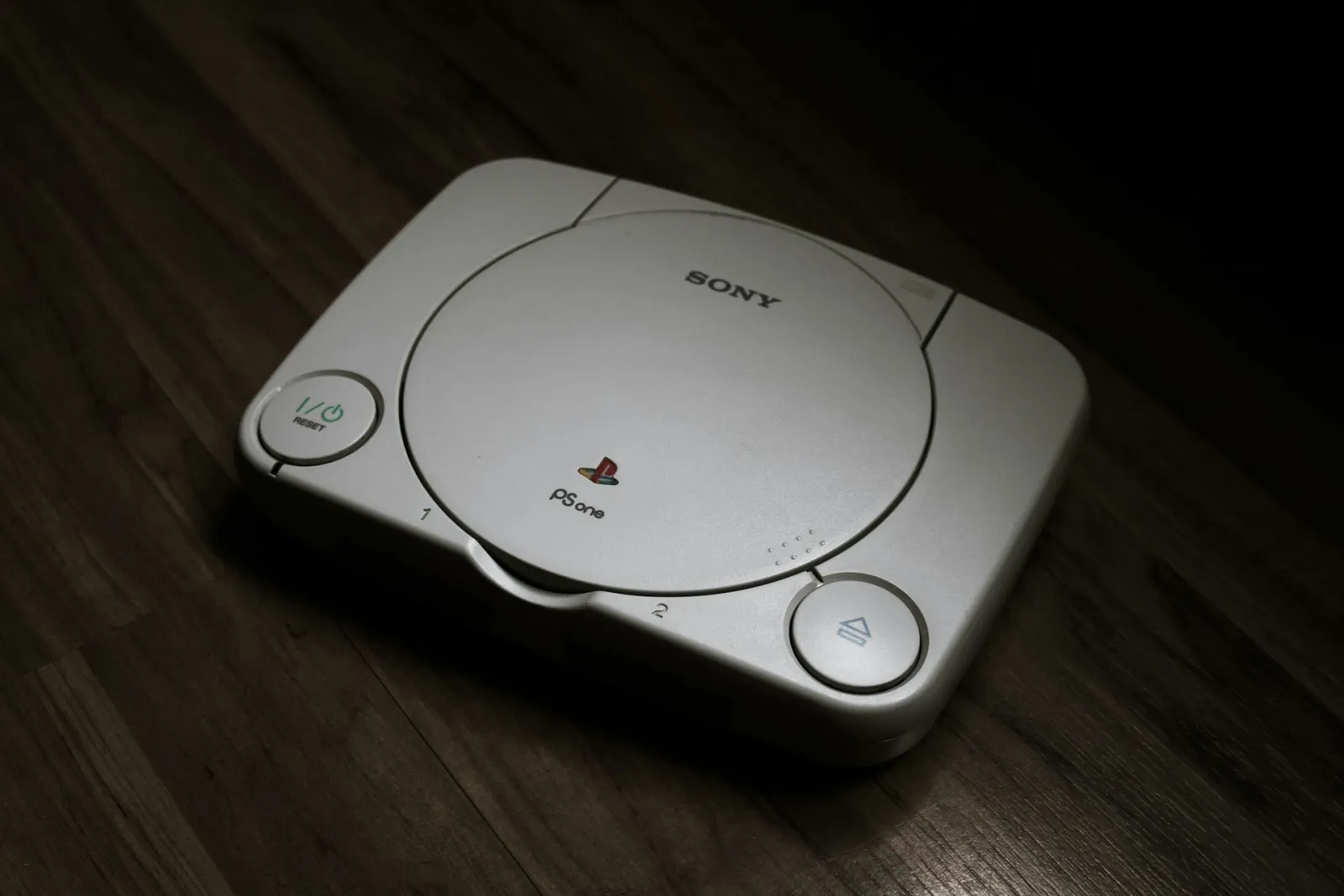
When PlayStation is mentioned today, most people first think of Sony's global dominance in the world of video games. However, the path to that success was anything but linear. The story of the first PlayStation actually begins as a tale of a failed partnership and business intrigues that nearly prevented its creation.
But, a combination of ambition, coincidence, and above all, the determination of Sony's visionaries led to the birth of a console that changed the industry.
How did PlayStation come about?
In the early nineties, Sony had no serious ambitions in the video game industry. The company was focused on music, movies, and consumer electronics, while games were reserved for "specialized" companies like Nintendo or Sega, which absolutely dominated the market.
However, engineer Ken Kutaragi, then relatively unknown within Sony, was secretly working on a sound chip intended for Nintendo's Super Famicom console. This secret project earned him the nickname "father of PlayStation."
Kutaragi believed that Sony could enter the world of gaming, even though many within the company considered it an unserious business.
In 1988, Sony and Nintendo began official collaboration. The plan was to create an add-on for the Super Nintendo that would allow games to be played on CD-ROM. The project was internally called "Play Station" with a space. Sony was to provide the technology, while Nintendo would supply the games and brand.
On paper, it looked like a perfect partnership; Nintendo would get a more modern medium with more space than the then-current cartridge formats (we all remember blowing into cartridges to make games work), while Sony would enter the video game market under the umbrella of the strongest player in the world.
But that's where the plot twist occurred.
At the CES 1991 fair, Sony announced a partnership with Nintendo to develop the SNES-CD add-on, a sort of CD-ROM expansion for the Super Nintendo that was ultimately supposed to become a hybrid console named PlayStation.
Yep, the best-selling console EVER was supposed to be just an add-on like the one we buy today for PS5 Pro. Yep, what we had at the start we now have to buy as an add-on.

However, the very next day, Nintendo publicly revealed that it was actually entering into an agreement with Philips, abruptly ending its collaboration with Sony overnight.
This left the company and engineer Ken Kutaragi alone, forced to develop PlayStation as a standalone console, a move that turned out to be a huge commercial success and Sony's official entry into the world of video games.
Yep, instead of giving up, the kings from Sony decided to conquer the market and absolutely dominate it to this day.
Kutaragi managed to convince the management to invest in development. The project got the green light, and in the early nineties, Sony formed a special department dedicated exclusively to video games.
The biggest innovation was the decision to use CD-ROM discs for the PlayStation instead of expensive cartridges. This meant that developers had much more space for graphics, music, and animations, but also that the costs of game production were significantly lower.
This detail later led to a massive wave of third-party games and an explosion of popularity, even ports from PC instead of developing games that did not compete with PC standards.
The PlayStation was launched in Japan in December 1994, and then in the USA and Europe during 1995. Already in the first months, it became clear that Sony had a hit on its hands.
Games like Ridge Racer, Tekken, and later Final Fantasy VII showcased the full potential of 3D graphics. The console soon became synonymous with “modern gaming,” the music on CD sounded like in movies, cinematic animations were something previously unseen, and the price of games was more affordable than the competition.
One of Sony's key moves was also the focus on an older audience. While Nintendo and Sega still primarily targeted children and teenagers, Sony built the PlayStation brand through urban culture, music, advertisements reminiscent of fashion campaigns, and collaborations with major publishers. The PlayStation was not just a console; it became a lifestyle.
By the end of the nineties, the PS1 had sold over 100 million units and solidified Sony as a leading force in the industry. What started as a betrayal and a failed partnership with Nintendo turned into the most successful debut in console history.
The secret history of the first PlayStation is actually the story of one man's perseverance and a company's vision that had the courage to take risks. If Nintendo hadn't turned its back on Sony, the PlayStation might not exist today. Ironically, that very betrayal became the foundation for creating a console that forever changed the world of video games.
And then came the legendary duo.