Ah, welcome to yet another debate that divides the gaming world like the legendary conflicts between console gamers and the PC master race. This time we won't be talking about FPSs, RPGs, or remasters from the 2000s, but rather about one seemingly simple linguistic dilemma: game or small game?
You might think: "What does it matter what we call something, what's important is that we play!" – and you are right. However, if you've ever engaged in a serious conversation about video games, you've surely heard someone "correct" another person with the comment: "It's not a small game, it's a game!" So, let's dive deeper into this eternal debate and try to shed light on why this seemingly trivial topic evokes so much passion among players.
Where does the term "small game" come from?
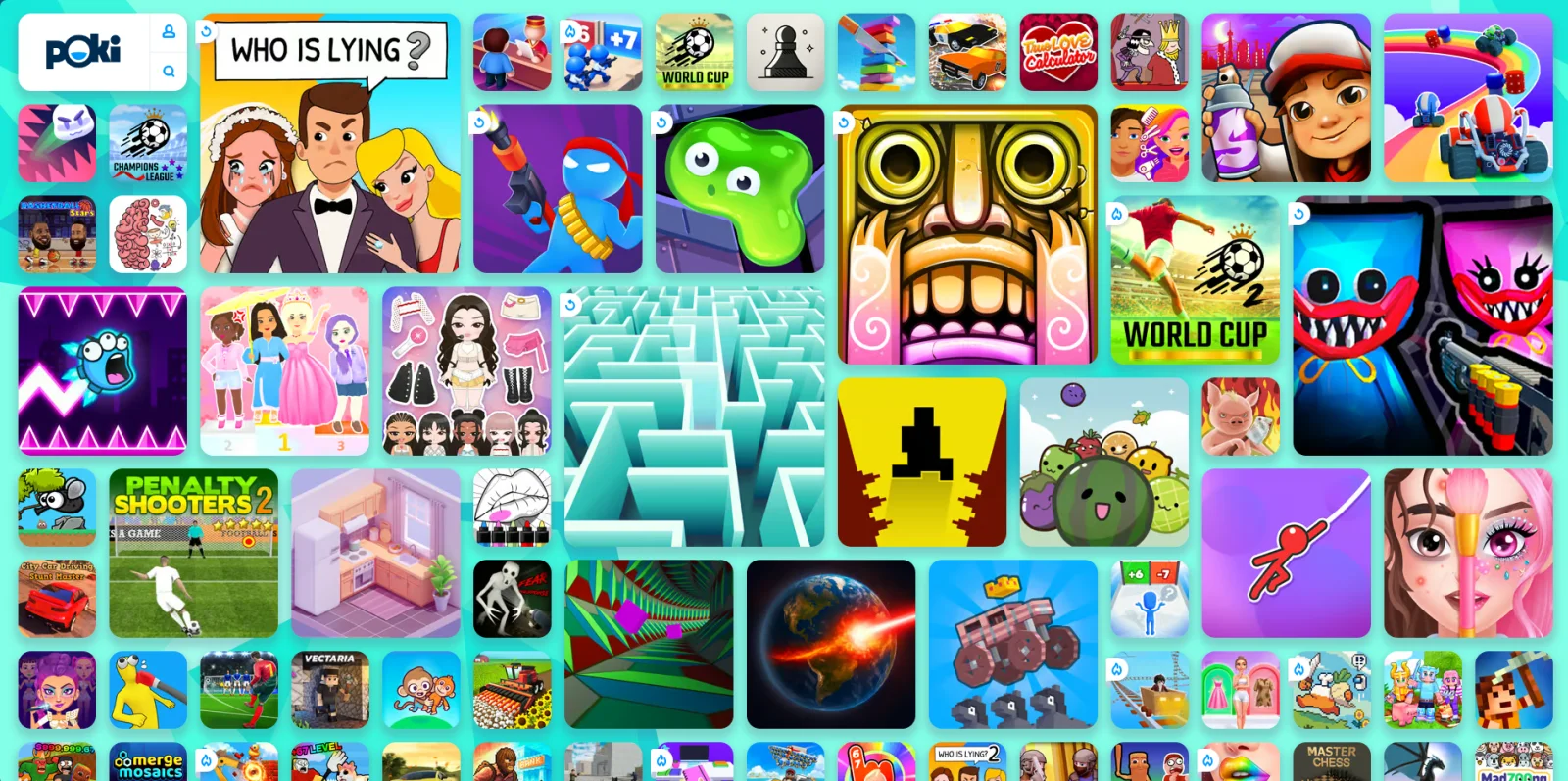
In the Croatian language, the suffix -ica is often used for diminutives – booklet, picture, doll... and so "small game". The word "small game" is often used to denote something simpler, smaller, and more casual, like casual mobile games or simple flash titles we played on school computers.
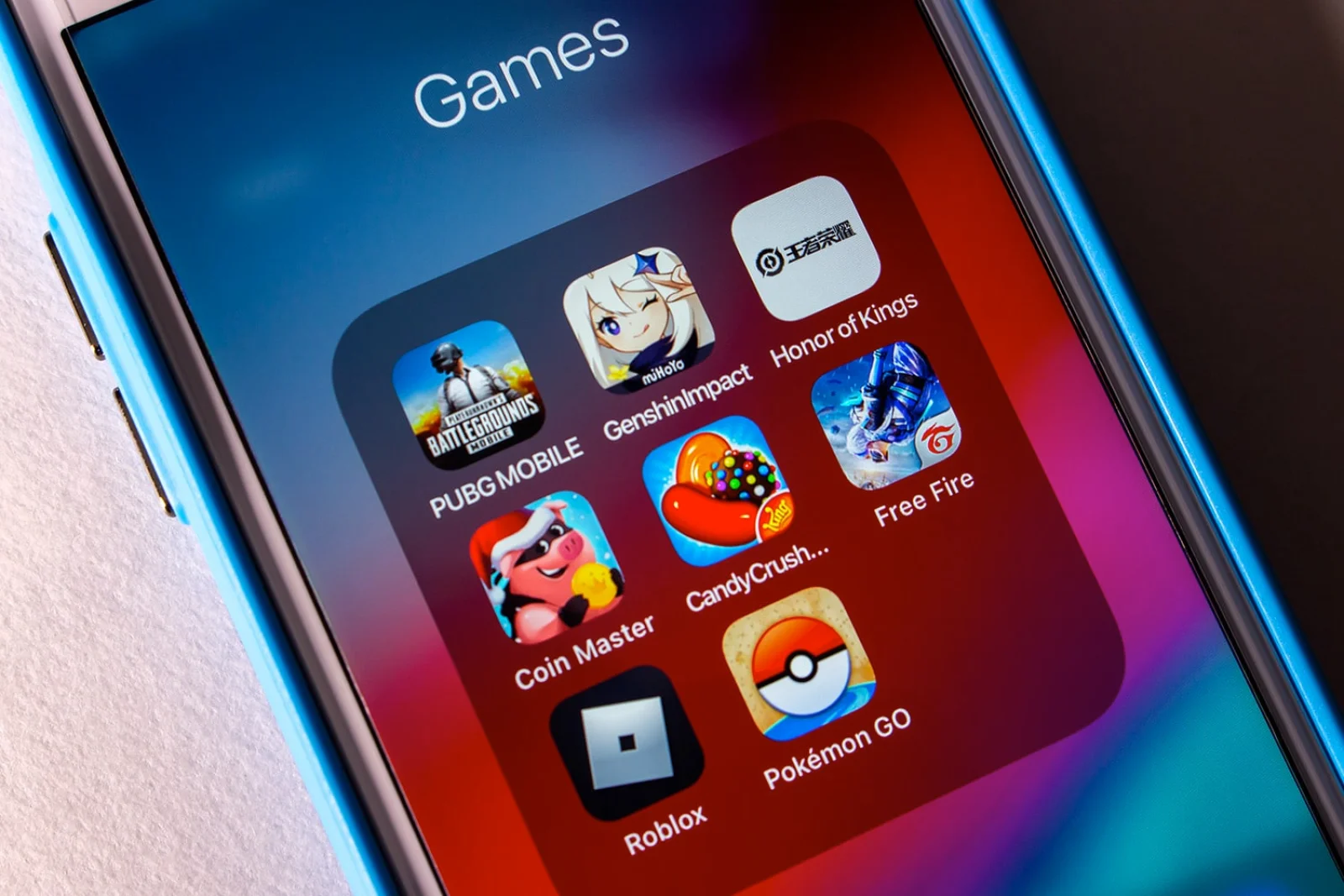
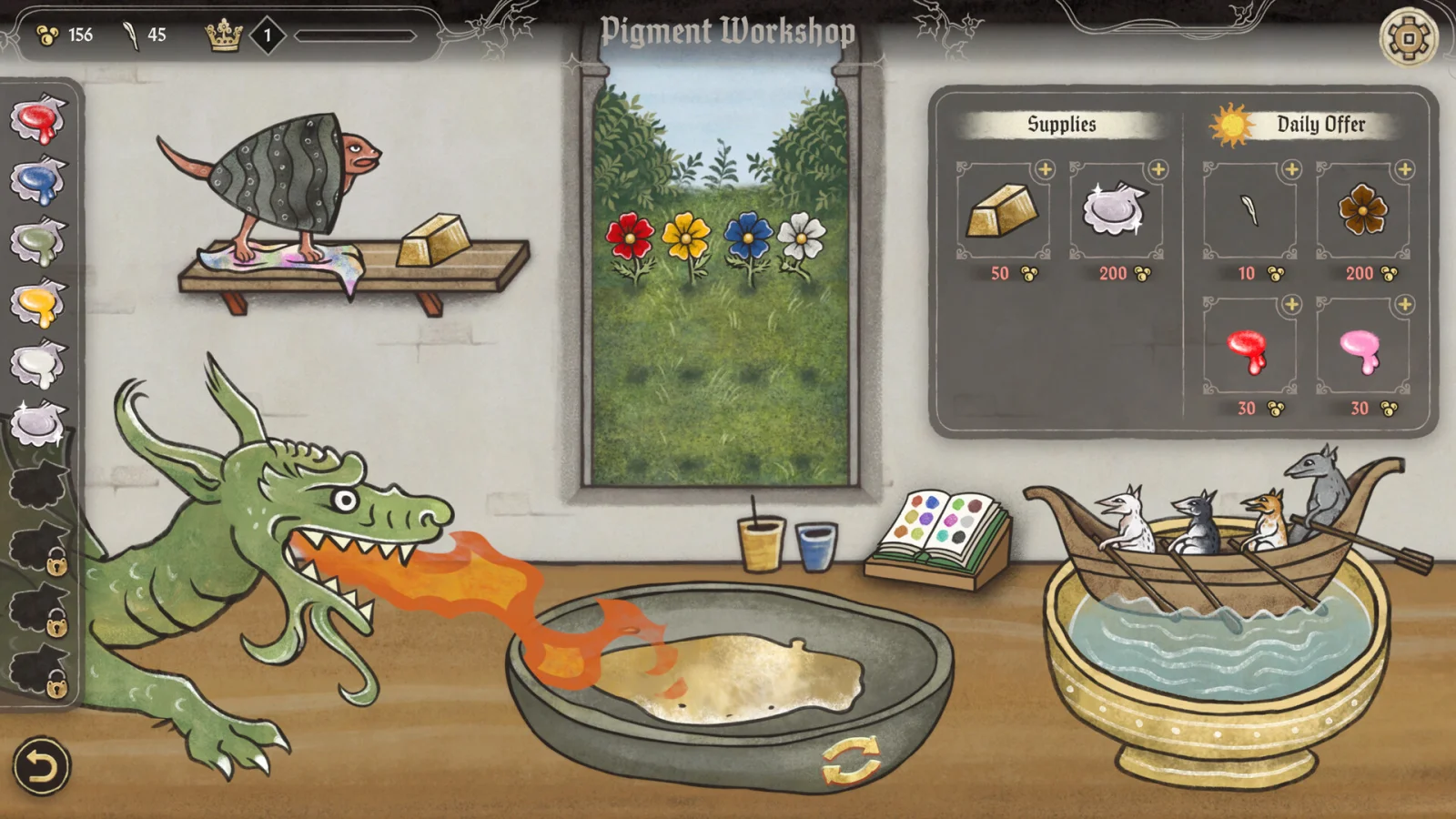
For example, when we think of games like Angry Birds or Candy Crush, their simplicity and casual nature somehow naturally lead us to call them "small games". These are titles you can fire up and play for a few minutes while waiting in line or riding the tram. "Small games" are something that doesn't require deep thinking, commitment, or emotional engagement – they are there to briefly fill time.
Because of this perception, the word "small game" often carries a connotation of unseriousness. Although mobile games generate billions of dollars in revenue, many hardcore gamers will refer to them as "small games" to emphasize the difference between such titles and complex, cinematically rich games that are released for consoles or PC.
Why is "game" a more serious term?
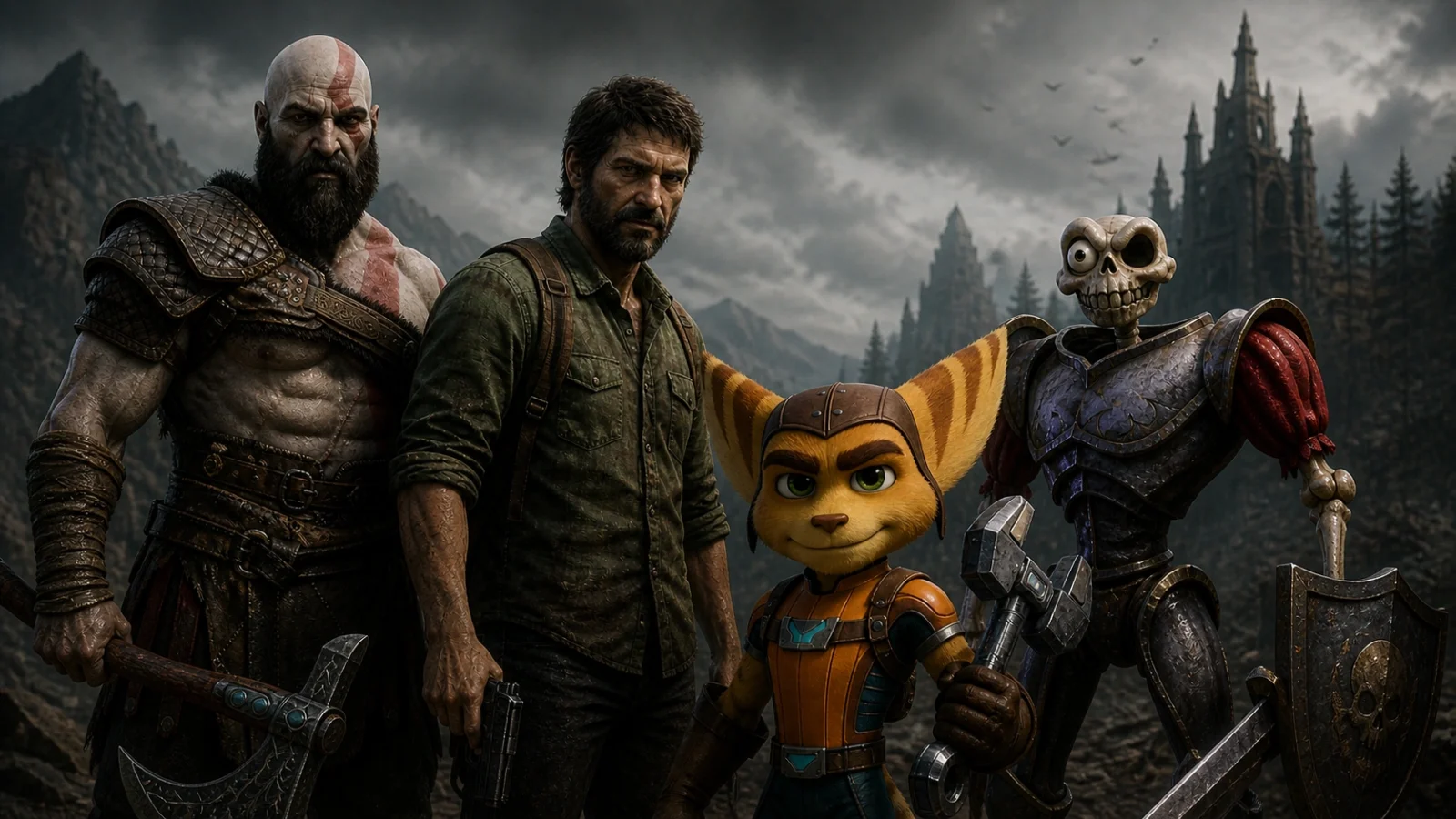
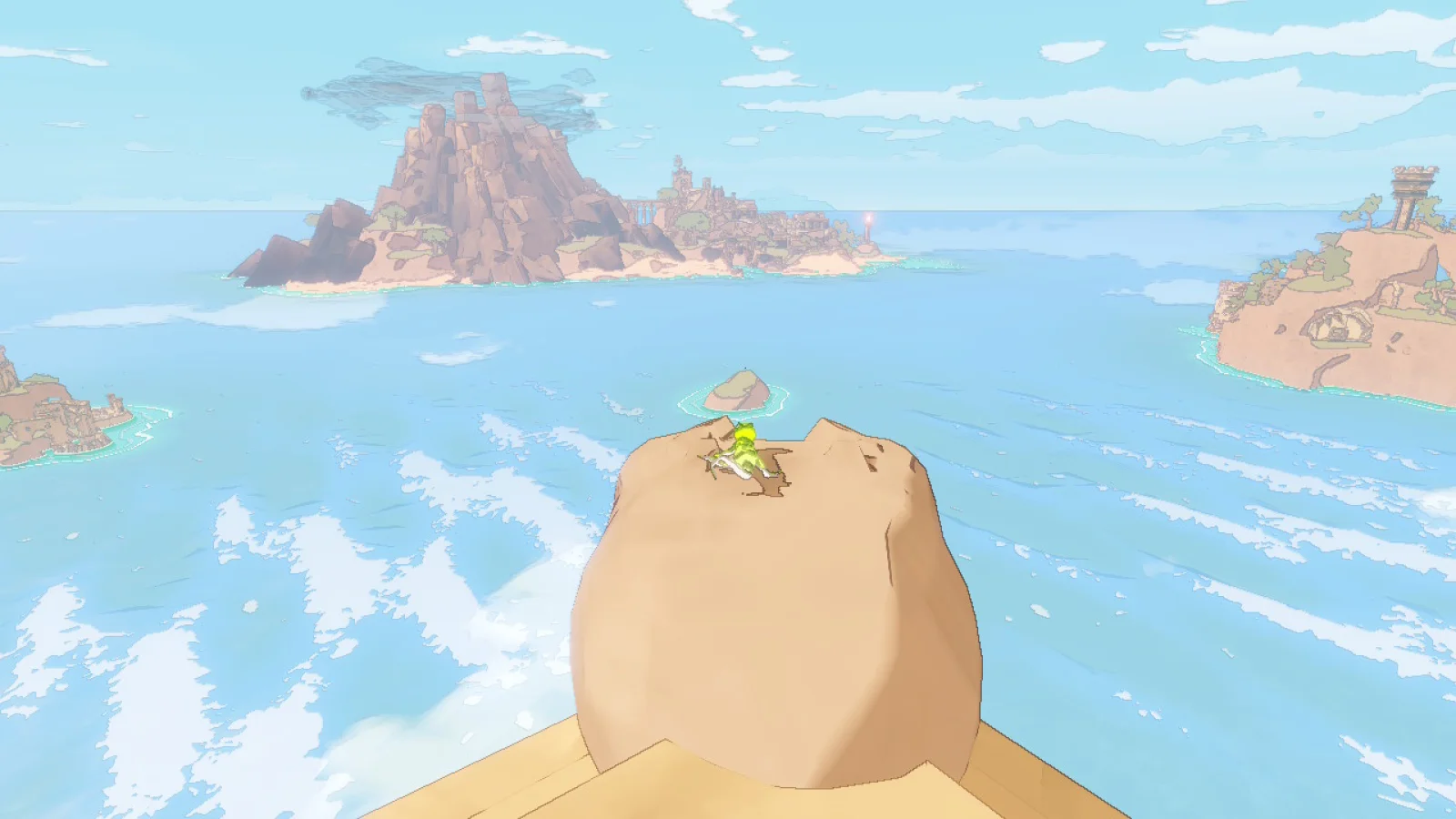
On the other hand, the term game has a more serious tone. A game is a work of art, a complex world in which we spend hours and hours exploring stories, characters, and mechanics. A game is Elden Ring, a game is Red Dead Redemption 2, a game is something that borders on cinematic art and literature.
When you use the word "game," you implicitly show respect to the creative teams who have invested thousands of hours of work into creating something that is not just entertainment, but also a cultural phenomenon. A game is a serious matter.
Why do players get upset about this topic?
On the surface, this debate may seem trivial. However, deep down, it reflects a broader struggle for recognition of gaming as a legitimate artistic and cultural form. When someone calls a complex title like God of War or Horizon Zero Dawn a "small game," it can feel like an undervaluation of the effort and quality invested in their creation.
On the other hand, some players believe that the discussion about terminology is unnecessary and only creates divisions in the community. If someone enjoys playing mobile titles or simple games on consoles, why should that be less valuable than playing AAA blockbusters? Ultimately, we are all here because of our love for gaming, right?
But can't we just enjoy?
In the end, whether you use the word "game" or "gamelet," the goal is the same – to enjoy that digital world. The discussion about terminology is more a reflection of love for the hobby than a real division.
Those who say "gamelet" often do so out of habit or nostalgia, while those who insist on "game" want to present gaming in a more serious light. Both sides have their arguments, but at the end of the day, we all sit down at the same keyboards and/or controllers and screens.
Game or gamelet – at the end of the day, we are all gamers. Some of us may prefer simple casual games, while others seek challenges in souls-like games. Whatever you choose, know that the key element of every virtual gaming experience is fun.