In the world of video games, few things can surpass the excitement and anticipation that comes with the announcement of a new title. However, while some titles arrive relatively quickly after their initial reveal, others go through lengthy development processes, multiple delays, and unexpected obstacles, making the wait for them almost unbearable. Below, we will look at ten video games that we waited years for, which despite everything managed to become cult titles in the industry.
1. Duke Nukem Forever (2011)
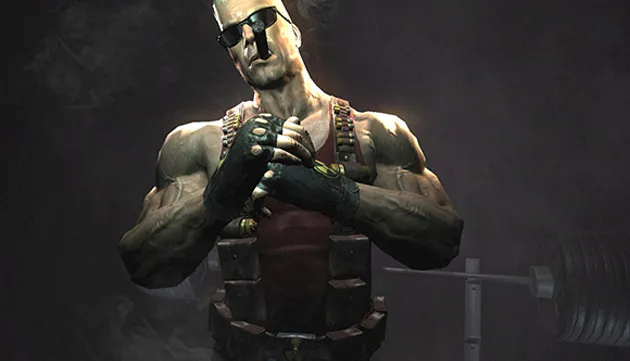
Perhaps the most famous game in history for its problematic and extremely long production, Duke Nukem Forever was originally announced in 1997 as a sequel to the popular Duke Nukem 3D. The development of the game lasted over 14 years, with countless delays and changes in development teams. The game was finally released in 2011, but was met with rather lukewarm reviews. Although many fans wanted the return of the cult hero from the 90s, the gameplay and technical performance of the game did not meet audience expectations.
2. The Last Guardian (2016)
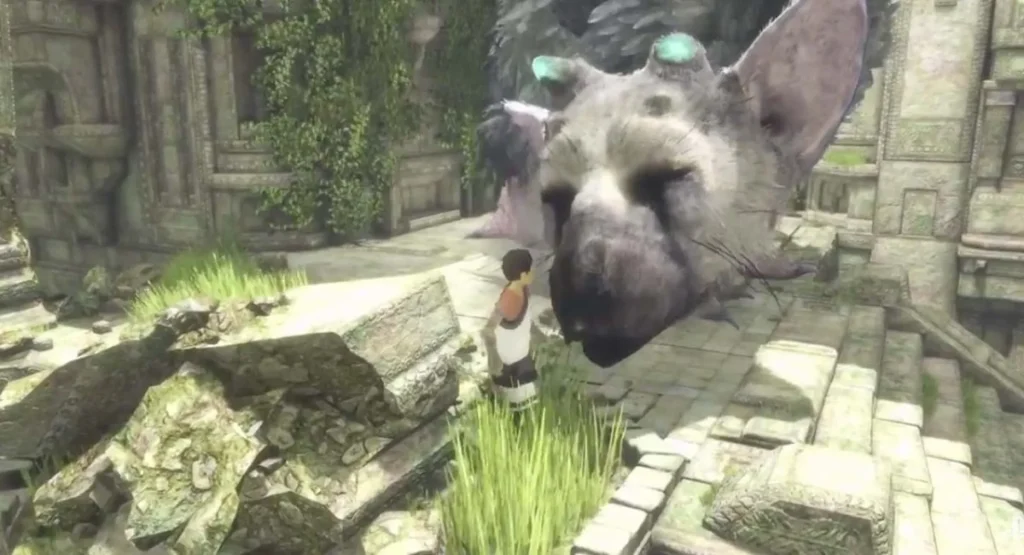
First announced in 2007, The Last Guardian was a game that promised an emotional story about the friendship between a boy and a giant creature named Trico. The development of the game faced numerous technical difficulties, leading to years of delays. The game's creator, Fumito Ueda, known for previous successes like ICO and Shadow of the Colossus, faced the challenge of transitioning the game from PlayStation 3 to PlayStation 4. When the game finally released in 2016, many praised it for its emotional story and unique atmosphere, although some criticized the technical issues and outdated mechanics.
3. Final Fantasy XV (2016)
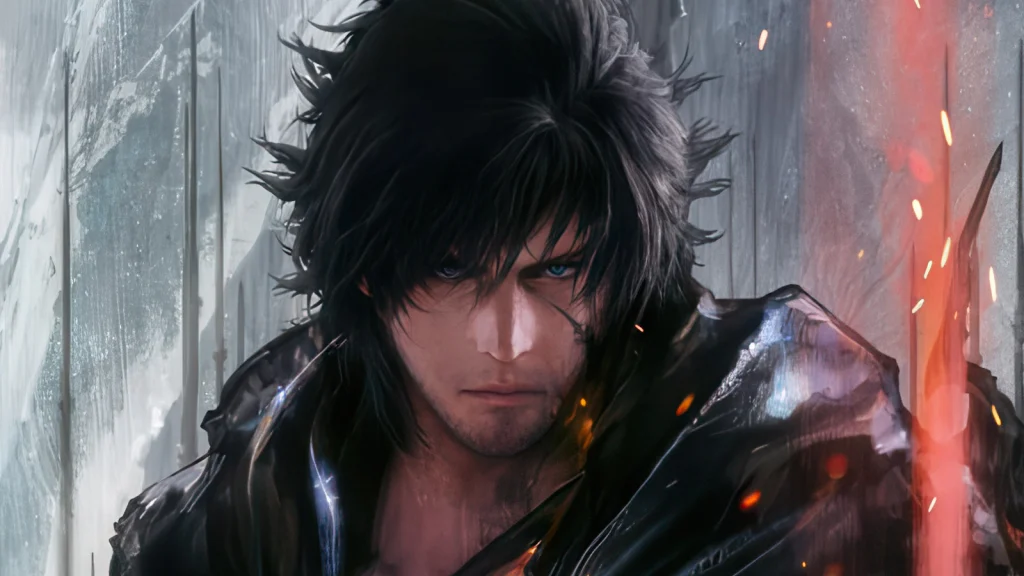
This title was originally announced in 2006 as part of a larger series called Final Fantasy Versus XIII. Over time, the project was renamed to Final Fantasy XV, and the development of the game went through numerous changes, from changing directors to restructuring the entire game world. Ultimately, the game was released ten years after the initial announcement. Players praised the visual style, open world, and combat system, but the story was often criticized for its fragmentation and lack of depth.
4. Prey (2006)
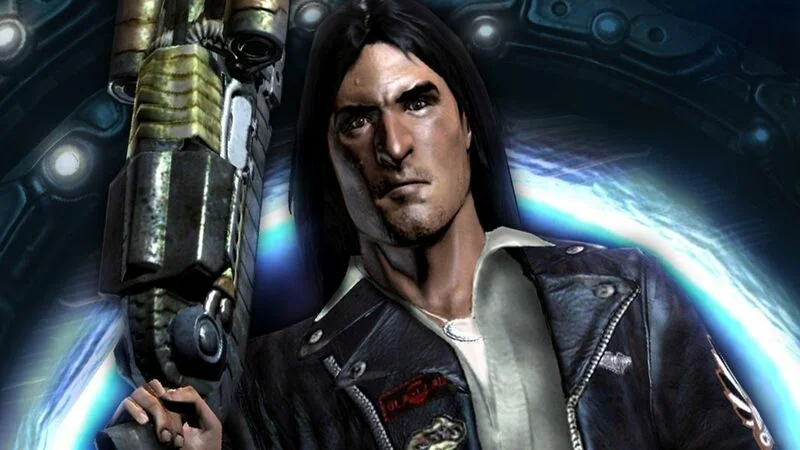
Originally announced in 1995, Prey went through more than a decade of development before finally being released in 2006. The game underwent several radical changes in its structure and mechanics during development. The biggest problem was that the technology often became outdated before the project could be completed. When it finally came out, Prey introduced innovative elements like portals and gravity manipulation. Although the game received positive reviews, it failed to become a major commercial success but later gained cult classic status.
5. Kingdom Hearts III (2019)
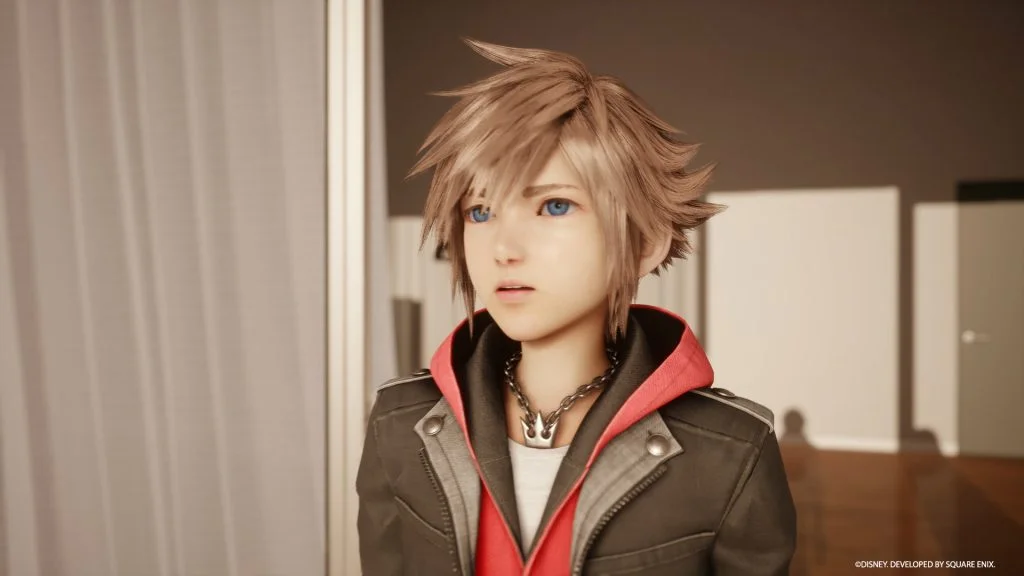
Given the huge success of the first two games, many fans of the Kingdom Hearts franchise were extremely excited for the third installment. Kingdom Hearts II was released in 2005, and Kingdom Hearts III was announced only in 2013. Although the series had several spin-off games in the meantime, the main sequel arrived only in 2019, more than 13 years after its predecessor. Despite the long wait, the game delivered spectacular graphics and a satisfying conclusion to the story, although some players felt that the gameplay did not progress according to expectations.
6. Team Fortress 2 (2007)
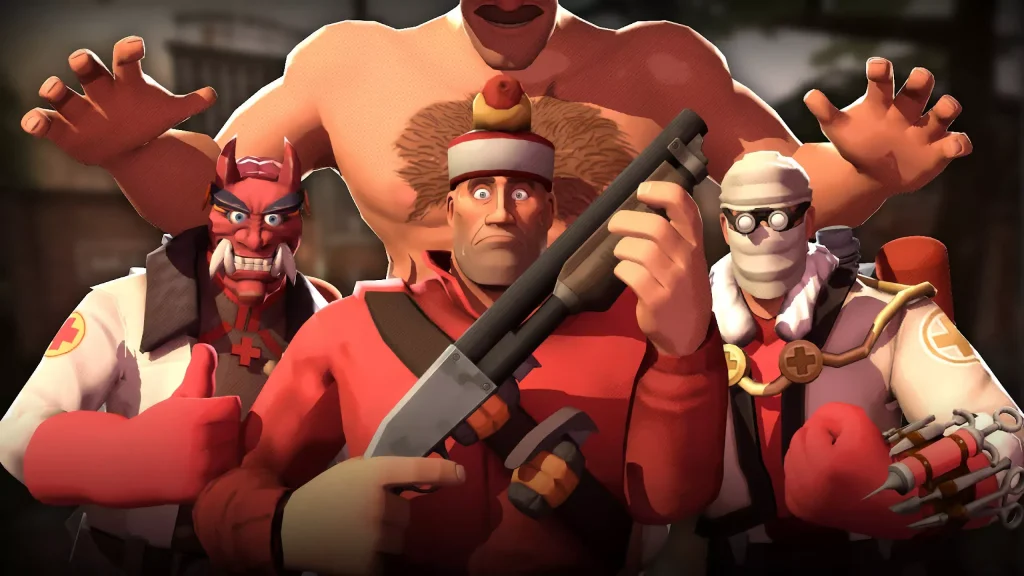
Although many have forgotten, Team Fortress 2 was originally announced back in 1998, shortly after the release of the original game Team Fortress Classic. However, Valve drastically changed the game's concept over the years, shifting from a realistic military shooter to the stylized team FPS we know today. After nine years of development and countless changes, Team Fortress 2 finally released in 2007 as part of the The Orange Box collection. The game became a major hit, thanks to its unique visual aesthetic, humor, and balanced team gameplay.
7. Diablo III (2012)
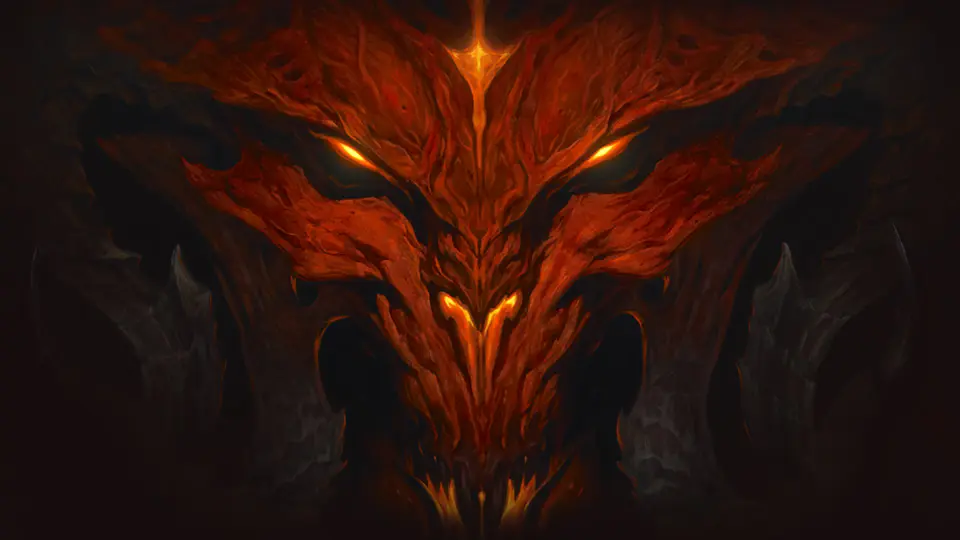
Diablo II is one of the most influential RPG titles of all time, and fans eagerly awaited the sequel. However, a full 12 years passed between the release of Diablo II in 2000 and the launch of Diablo III in 2012. During that time, Blizzard repeatedly restructured the game, and the development team went through numerous changes. When the game finally released, many criticized it for the real-money auction system and online-only access, but Blizzard gradually improved the game through expansions and updates, making Diablo III extremely popular.
8. The Last of Us Part II (2020)
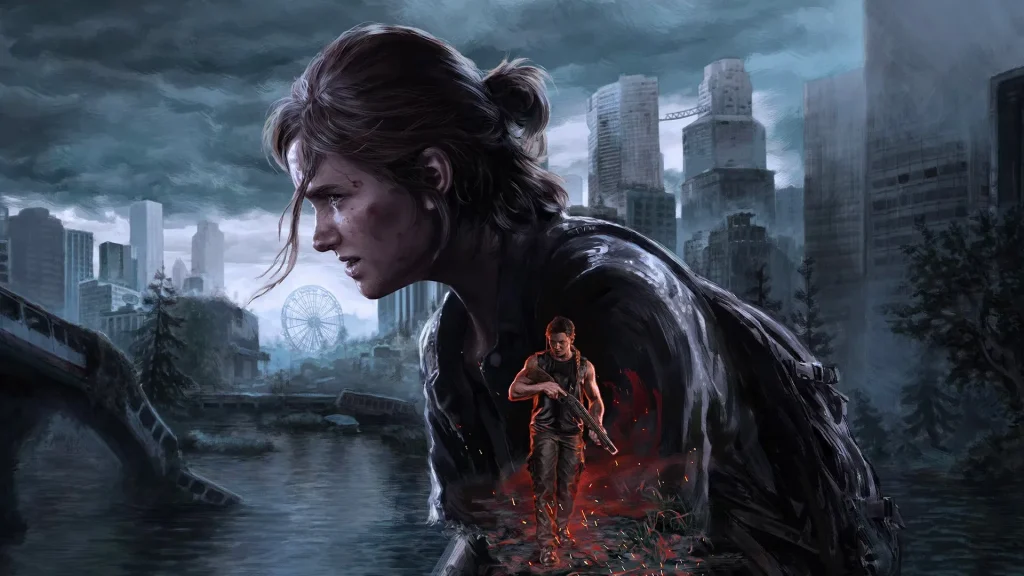
The Last of Us from 2013 became a hit with incredible success, both critically and commercially. Therefore, it was no surprise when a sequel was announced. However, players had to wait nearly seven years before The Last of Us Part II finally released in 2020. The development was complicated, and the game was delayed several times, partly due to challenges posed by the COVID-19 pandemic. When it finally came out, The Last of Us Part II sparked heated debates over its story, but also received praise for its technical performance, emotions, and character depth.
9. Cyberpunk 2077 (2020)
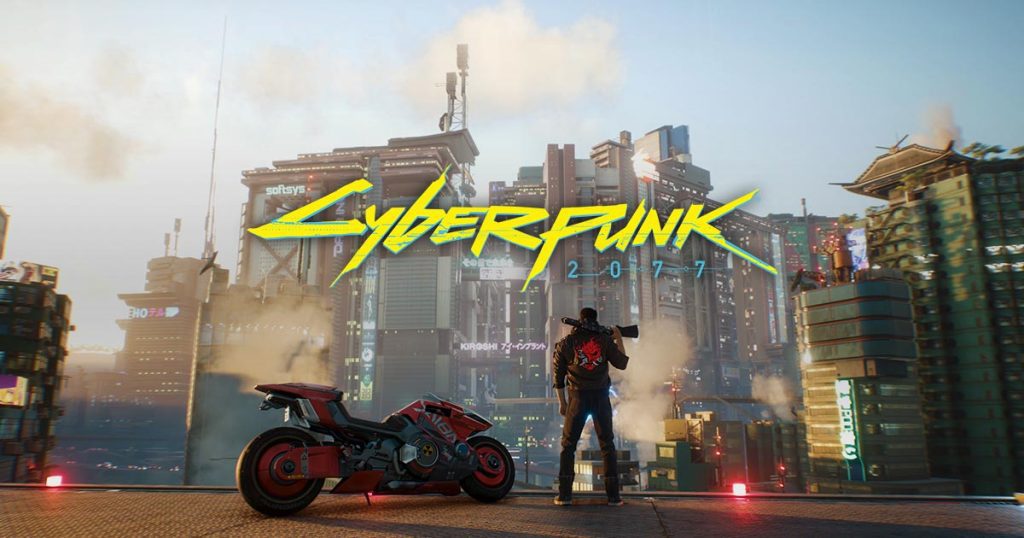
Announced back in 2012, Cyberpunk 2077 was one of the most anticipated games in history, thanks to the success of the previous game from Polish studio CD Projekt Red, The Witcher 3. Fans waited eight years for the game to finally release in 2020. However, after its launch, the game faced numerous technical issues, especially on last-generation consoles, leading to widespread dissatisfaction. Although the story and world design were praised, the technical problems overshadowed the game's release, and the studio made significant efforts to fix the game through numerous patches and updates.
10. StarCraft II (2010)
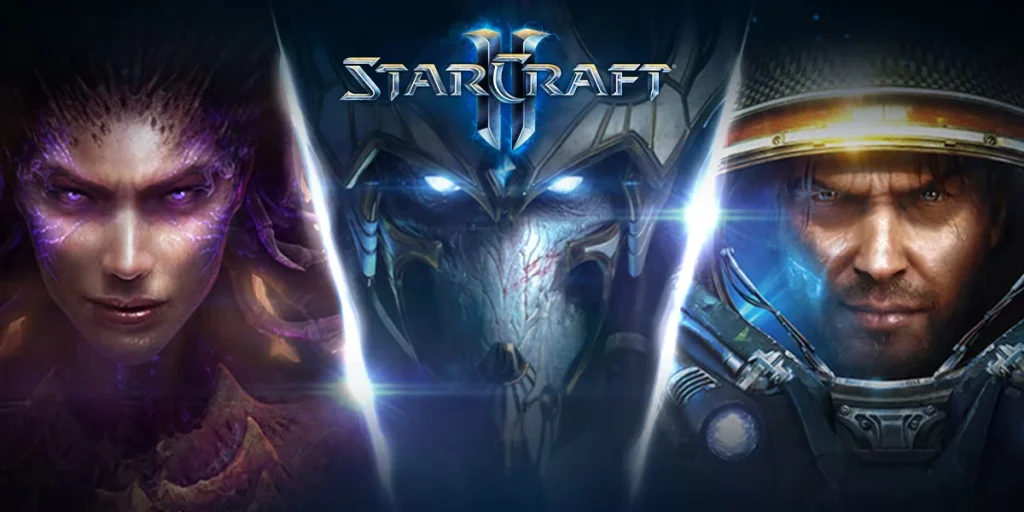
StarCraft, released in 1998, became a classic of real-time strategy (RTS) games, and fans eagerly awaited the sequel. However, they had to wait a full 12 years for StarCraft II. The game finally launched in 2010 and was met with tremendous enthusiasm. StarCraft II is divided into three parts, each focused on one of the main factions in the game: Terrans, Zergs, and Protoss. Although there were discussions about the game's distribution model, StarCraft II achieved great success and solidified Blizzard's dominance in the RTS genre.